The concern no filter fully hides
Enlarged pores are one of the most common things people point to in my clinic, usually while leaning a little too close to the mirror. They tell me their makeup sits in them by afternoon, or that their nose and cheeks look like orange peel in daylight.
Many have already tried pore strips, clay masks and every “pore-minimising” primer on the shelf.
Here’s the honest truth. You can’t close a pore, and you wouldn’t want to, because pores are how your skin breathes out oil and sweat. What we can do is make them look significantly smaller, tighter and cleaner. With the right enlarged pores treatment, the difference is visible enough that people stop thinking about their pores at all.
In this guide, I’ll explain why pores get bigger in the first place, the eight treatment options I recommend in clinic, and what to expect on results, downtime and cost.
— Dr. Veenu Jindal, Founder & Lead Dermatologist, RasaDerm
What Causes Enlarged Pores?
Pore size is partly genetic. If your parents have oily skin and visible pores, chances are you will too. But genetics is only the starting point, and three other factors decide how large your pores actually look.
The first is oil. Overactive oil glands stretch the pore opening, which is why enlarged pores on the face cluster on the nose, inner cheeks and forehead. Delhi’s heat and humidity make this worse for half the year.
The second is clogging. When oil mixes with dead skin and pollution, it settles inside the pore and darkens, making the opening look wider and more obvious.
The third, and most overlooked, is collagen loss. From our late twenties, the collagen that holds the pore walls firm starts to weaken. Pores lose their support and begin to sag into slightly elongated, teardrop shapes, especially on the cheeks.
Sun exposure speeds this up. Hormonal shifts, acne history and harsh scrubbing can all add to the picture. Understanding which of these is driving your pores is what decides the right treatment.
8 Treatments for Enlarged Pores that actually work
1. Prescription topicals
Every pore plan begins at home. Retinoids, prescribed at the right strength, speed up cell turnover and stimulate collagen over time, so pore walls stay clearer and firmer. Niacinamide helps regulate oil, and salicylic acid works its way inside the pore to dissolve buildup. Results take 8 to 12 weeks, and topicals alone rarely give a dramatic change, but they make every in-clinic treatment work better and last longer.
2. Medical-grade chemical peels
Salicylic and other targeted peels exfoliate inside and around the pore, clear out congestion and leave the surface smoother. For oily, congested skin with clogged pores, a series of peels is often the quickest visible improvement. Most people need 4 to 6 sessions spaced two to three weeks apart, with little to no downtime.
3. HydraFacial MD
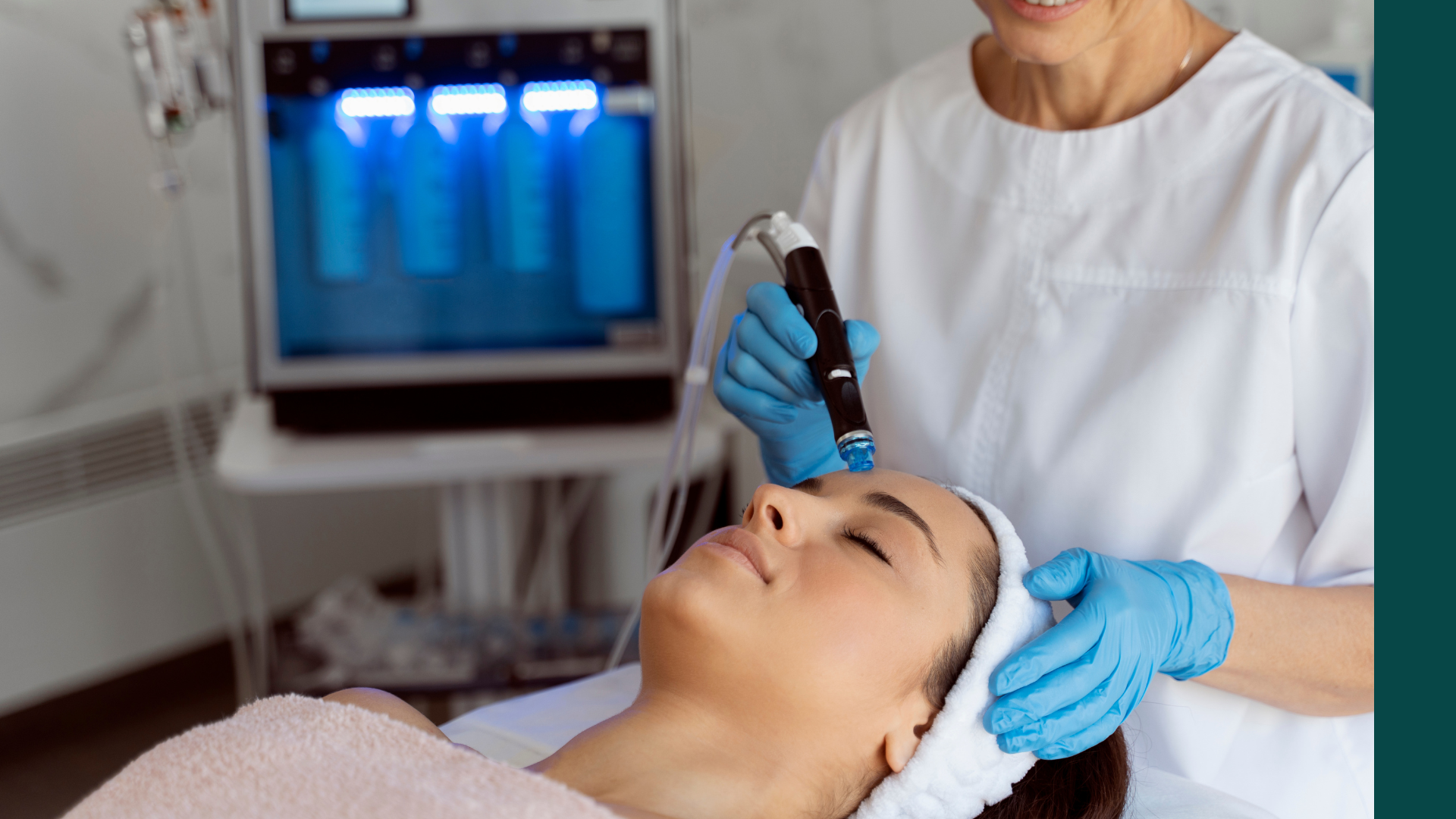
HydraFacial MD combines deep cleansing, gentle exfoliation and vacuum extraction, then infuses the skin with hydrating serums. It’s the treatment I recommend when pores look large mainly because they’re congested. Pores look visibly cleaner straight after a session, with zero downtime, which is why it’s so popular before events. For lasting change, I pair it with collagen-building treatments.
4. ClearLift Pro
ClearLift Pro is a non-ablative fractional laser that works beneath the surface without breaking the skin. It stimulates collagen, refines texture and helps tighten the look of pores, with minimal to no downtime. At RasaDerm, we have India’s first ClearLift Pro at our Safdarjung clinic. It’s a strong option for people who want gradual, natural-looking refinement without stepping away from work or social plans.
5. Microneedling radiofrequency (MNRF)
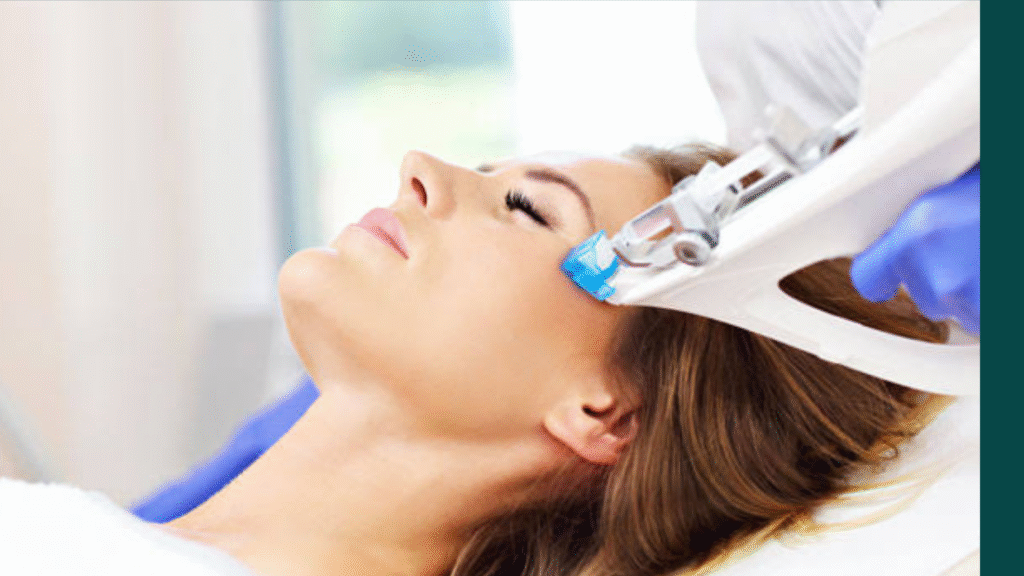
MNRF delivers controlled heat into the deeper skin through fine needles. That heat tightens existing collagen and triggers new collagen production, which gives pore walls back their structure. It’s particularly effective for sagging, elongated pores on the cheeks and pores left behind by old acne. Most people need 3 to 4 sessions, spaced four to six weeks apart, with 2 to 3 days of redness.
6. Fractional laser resurfacing
For more noticeable pores combined with uneven texture or acne scarring, fractional resurfacing gives the most visible refinement. At RasaDerm, we use the iPixel Er:YAG fractional laser, which resurfaces with less heat than traditional lasers, making it better suited to Indian skin. Expect 4 to 7 days of redness and light flaking, followed by smoother, tighter-looking skin as collagen rebuilds over the following months.
7. Micro-botox
When very small amounts of botulinum toxin are placed superficially across the skin, they reduce oil production and soften the appearance of pores. The skin takes on a smoother, more matte finish without any change to your expressions. It’s a quick, in-and-out treatment, with results lasting about three to four months. I often recommend it for very oily skin that doesn’t settle with topicals alone.
8. Skin boosters
Injectable skin boosters such as Profhilo deeply hydrate the skin and support collagen and elastin. Well-hydrated, well-supported skin reflects light more evenly, so pores look less visible and the overall texture looks smoother. Skin boosters are ideal for people in their thirties and beyond whose pores are enlarging because of collagen loss rather than oil.
Matching the treatment to your pores
If your pores look large mainly because of oil and congestion, the focus is on clearing and control. Topicals, salicylic peels and HydraFacial MD do most of the work here, with micro-botox for persistent oiliness.
If your pores are sagging and elongated, the problem is structure, so collagen-building treatments like MNRF, ClearLift Pro and skin boosters give the best results. If you have enlarged pores along with acne scars or rough texture, fractional laser resurfacing combined with MNRF tends to give the most visible change.
Most people have more than one cause at once, which is why my plans almost always combine a home routine, a clearing treatment and a collagen treatment.
Enlarged Pores Treatment Cost in Delhi
The cost of treating enlarged pores depends on how many causes we’re addressing and how many sessions you need. As a general guide, peels and HydraFacial MD sit at the more accessible end and are done in a series.
MNRF, ClearLift Pro and fractional laser fall in the mid to higher range per session. Micro-botox and skin boosters are priced per treatment and are typically repeated every few months.
Most people see a visible difference within 2 to 3 sessions, with the best results around three to four months in, as new collagen settles in. Maintenance matters, because pores respond to oil, sun and age just as they did before. A good home routine and a few top-up sessions a year keep results steady.
At RasaDerm, every pore plan starts with a consultation, and you get a clear, itemised quote before we begin.
Why see a dermatologist for enlarged pores?
Pore products promise a lot, and most of them work only on the surface, for a few hours. Lasting change happens deeper, where oil glands and collagen live. Treating pores well also means not making things worse. Harsh scrubbing, frequent extractions at home and the wrong laser settings can inflame the skin and leave dark marks, especially on Indian skin.
At RasaDerm, I look at your skin under magnification and in daylight to understand what’s actually driving your pores, whether it’s oil, congestion, collagen loss or a mix. Then I build a plan around your skin type, your downtime and your calendar. You won’t get a menu of treatments, just the few that will make a real difference for you.
Your pores are a normal part of healthy skin. They just don’t need to be the first thing you notice.
Book a skin consultation with Dr. Veenu at RasaDerm, Ashok Vihar or Safdarjung.
Frequently asked questions
1. Can enlarged pores be permanently reduced?
Pores can’t be closed permanently, but treatments that build collagen and control oil can make them look much smaller for a long time. Regular maintenance keeps the results steady.
2. What is the best treatment for enlarged pores?
It depends on the cause. HydraFacial MD and peels work well for congested pores, MNRF and ClearLift Pro for sagging pores, and fractional laser for pores with texture or scarring. Most people get the best results from a combination.
3. How do I reduce enlarged pores at home?
A dermatologist-prescribed routine with a retinoid, niacinamide, salicylic acid and daily sunscreen helps keep pores clearer and firmer. Avoid harsh scrubs and pore strips, which can irritate the skin and make pores look worse.
4. Do pore strips and clay masks shrink pores?
They can clear the surface for a few hours, but they don’t change pore size. Overusing them can also leave the skin inflamed.
5. Is there any downtime with pore treatments?
HydraFacial MD, peels, ClearLift Pro and micro-botox usually involve little to no downtime. MNRF and fractional laser may cause a few days of redness or flaking.