When you look tired even after a full night’s sleep
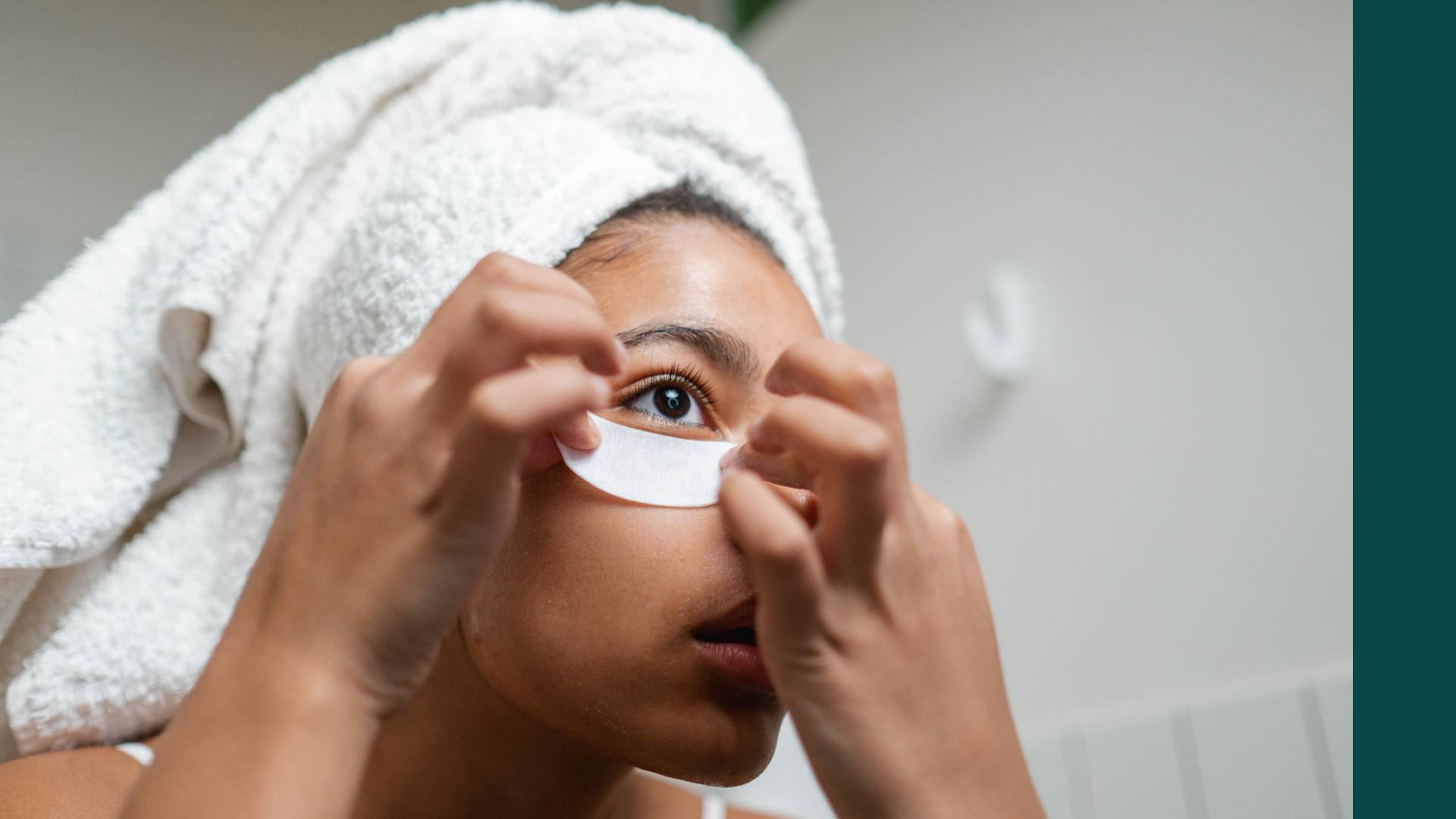
“Everyone keeps asking if I’m unwell.” I hear this almost every week at RasaDerm, usually from someone who sleeps eight hours, drinks enough water and still looks exhausted in every photo.
They’ve layered on eye creams, tried cold spoons and cucumber slices, and colour-corrected their concealer down to a science.
Here’s what most people don’t realise. Dark circles aren’t one problem. Some are pigment, some are blood vessels showing through thin skin, and some are simply shadows cast by hollowness under the eye.
A cream that works for pigment does nothing for a shadow. That’s why the best treatment for dark circles depends entirely on what’s causing yours.
In this guide, I’ll explain the different types of dark circles, the ten treatments I recommend in clinic, and what to expect on results, downtime and cost.
— Dr. Veenu Jindal, Founder & Lead Dermatologist, RasaDerm
Understanding the types of dark circles
Pigmented dark circles are the most common type I see in Indian skin. They look brown or greyish-brown and are caused by excess melanin in the under-eye skin.
Genetics plays a big role, but sun exposure, rubbing the eyes, allergies and eczema all deepen the colour over time. Often, the pigment extends onto the upper eyelid as well.
Vascular dark circles have a bluish or purplish tint. The skin under the eyes is among the thinnest on the body, so the blood vessels beneath it show through. They tend to look worse when you’re tired, unwell or after a salty meal, and they often come with puffiness in the morning.
Structural dark circles aren’t a colour problem at all. As we age, or sometimes simply because of our bone structure, the area under the eye loses volume and forms a groove called the tear trough.
Light catches the edge of that hollow and casts a shadow, which reads as darkness. A quick test is to look up at a light. If the darkness fades, shadow is a big part of it.
Most people have a mix of two or three types, which is why a single product rarely solves the whole problem.
Also Read: Best Under Eye Wrinkle Home Remedies — Dermatologist-Approved Methods
10 Best Treatments for Dark Circles
1. Prescription topicals
For pigmented dark circles, the right home routine is the foundation. Ingredients like vitamin C, niacinamide, tranexamic acid, azelaic acid and gentle retinoids help fade pigment and strengthen thin under-eye skin. The key is choosing formulations and strengths that suit this delicate area, because irritation can actually make pigment worse. Expect gradual improvement over 8 to 12 weeks.
2. Gentle chemical peels
Mild peels designed for the under-eye area lift surface pigment and brighten dull, uneven skin. They’re especially useful for pigmented dark circles that haven’t shifted with topicals alone. A series of 4 to 6 sessions, spaced two to three weeks apart, usually gives the best results, with minimal downtime.
3. Pigment-targeting laser
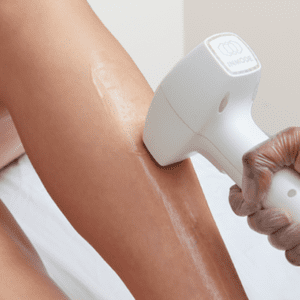
For stubborn under-eye pigmentation, laser treatment breaks down excess melanin so the body can clear it gradually. At RasaDerm, ClearLift Pro at our Safdarjung clinic is one of the options I use for pigmentation and overall skin quality. It works beneath the surface without breaking the skin, so there’s little to no downtime. Laser settings around the eyes must be chosen carefully, especially on Indian skin.
Also Read: Dark Circles Treatment in Delhi at Rasaderm
4. Tear trough fillers
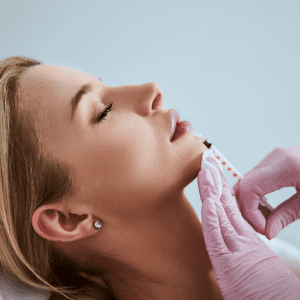
When dark circles are caused by hollowness, filler is often the most transformative treatment. A soft hyaluronic acid filler placed carefully in the tear trough smooths the groove and removes the shadow, often in a single session. Results typically last 9 to 12 months or longer. This is one of the most technique-sensitive areas of the face, so it should only be done by an experienced doctor.
5. PRP and GFC
Platelet-rich plasma and growth factor concentrate, prepared from your own blood, help improve skin thickness, texture and tone under the eyes. Because thicker skin hides the blood vessels beneath it better, PRP and GFC are useful for vascular dark circles and for thin, crepey skin. Most people need 3 to 4 sessions, spaced about a month apart.
6. Skin boosters
Injectable skin boosters deeply hydrate and strengthen the under-eye skin, improving its quality from within. Some boosters are designed specifically for the delicate eye area. They soften fine lines and crepiness and help mask the bluish tone of visible vessels. They work well alone for mild concerns or alongside fillers for a more complete result.
7. Microneedling
Gentle microneedling, done with precise settings for the under-eye area, stimulates collagen and thickens thin skin over time. It also helps topical serums penetrate better. It’s a good option for crepey under-eye skin and mild pigmentation, with a day or two of mild redness after each session.
8. Fractional laser resurfacing
When dark circles come with fine lines, crepey texture and uneven tone, fractional resurfacing can refresh the whole under-eye area. At RasaDerm, we use the iPixel Er:YAG fractional laser, which resurfaces with less heat than traditional lasers and suits Indian skin better. Expect a few days of redness and light flaking, followed by firmer, smoother skin as collagen rebuilds.
9. LED light therapy
Dermalux LED therapy is a gentle, no-downtime treatment that supports skin repair and calms inflammation. On its own, it won’t remove dark circles. But as an add-on after peels, lasers or microneedling, it helps the skin recover more comfortably and supports overall skin health. Many of my patients enjoy it as a relaxing part of their plan.
10. Treating the triggers
Some dark circles keep coming back because the cause is never addressed. Allergies, nasal congestion and constant eye rubbing deepen both pigment and puffiness, so treating them matters.
Daily sunscreen and sunglasses protect under-eye skin from further darkening. Good sleep, reducing salt and checking for iron deficiency or thyroid issues can all make a visible difference. Every treatment I offer works better when these basics are in place.
Choosing the right dark circles treatment by type
If your dark circles are mainly pigment, the focus is on fading melanin and preventing new pigment. Topicals, gentle peels, pigment-targeting laser and strict sun protection form the core of treatment.
If your dark circles are vascular, the goal is to strengthen and thicken the skin so vessels show through less, which is where PRP, GFC, skin boosters and microneedling help most.
If your dark circles are structural, no cream or peel will remove a shadow. Tear trough fillers, often combined with skin boosters for better skin quality, give the most visible change.
And if your under-eye skin is crepey and lined, fractional laser and microneedling help refresh the texture. Most people need a combination, built around their particular mix.
Dark circles treatment cost in Delhi
The cost of under-eye dark circles treatment depends on the type of dark circles, the number of sessions and the treatments combined. Topicals and peels are the most accessible starting point.
Lasers, PRP, GFC and microneedling are priced per session and done as a course. Tear trough fillers and skin boosters are priced per treatment and repeated every several months to maintain results.
Fillers give the quickest visible change, often in one sitting. Pigment and skin-quality treatments work more gradually, with clear improvement usually seen over two to four months.
At RasaDerm, every plan starts with a consultation, and you get a clear, itemised quote before we begin.
Why see a dermatologist for dark circles?
The under-eye area is one of the most delicate parts of the face. The skin is thin, it pigments easily, and small mistakes are very visible. Harsh products can cause irritation and more darkness, poorly chosen laser settings can leave pigment behind, and fillers placed incorrectly can cause puffiness or a bluish tinge.
At RasaDerm, I examine your under-eye area in different lighting, identify which types of dark circles you have, and look at the triggers behind them. Then I build a plan around your skin, your downtime and your calendar. If there’s a wedding or a big event coming up, we plan backwards from that date so your results look settled and natural on the day.
You deserve to look as rested as you feel.
Book an under-eye consultation with Dr. Veenu at RasaDerm, Ashok Vihar or Safdarjung.
Frequently asked questions
1. What is the best treatment for dark circles?
It depends on the type. Pigmented dark circles respond to topicals, peels and laser. Vascular dark circles improve with PRP, GFC and skin boosters. Hollow, shadowed dark circles are best treated with tear trough fillers. Most people benefit from a combination.
2. How can I remove dark circles permanently?
Structural and genetic dark circles can be improved significantly, but maintenance is usually needed. Sun protection, treating allergies and avoiding eye rubbing help results last longer.
3. Do eye creams work for dark circles?
Good eye creams can help mild pigmentation and hydration, but they can’t fix hollowness or significantly thicken thin skin. For those, in-clinic treatments work better.
4. Are under-eye fillers safe?
For In-experienced hands, yes. The tear trough is a delicate area, so it’s important to choose a qualified doctor who uses the right filler and technique.
5. How long does it take to see results?
Fillers show results almost immediately. Peels, lasers and regenerative treatments usually take two to four months to show their full effect.