When the hair on your pillow starts to worry you
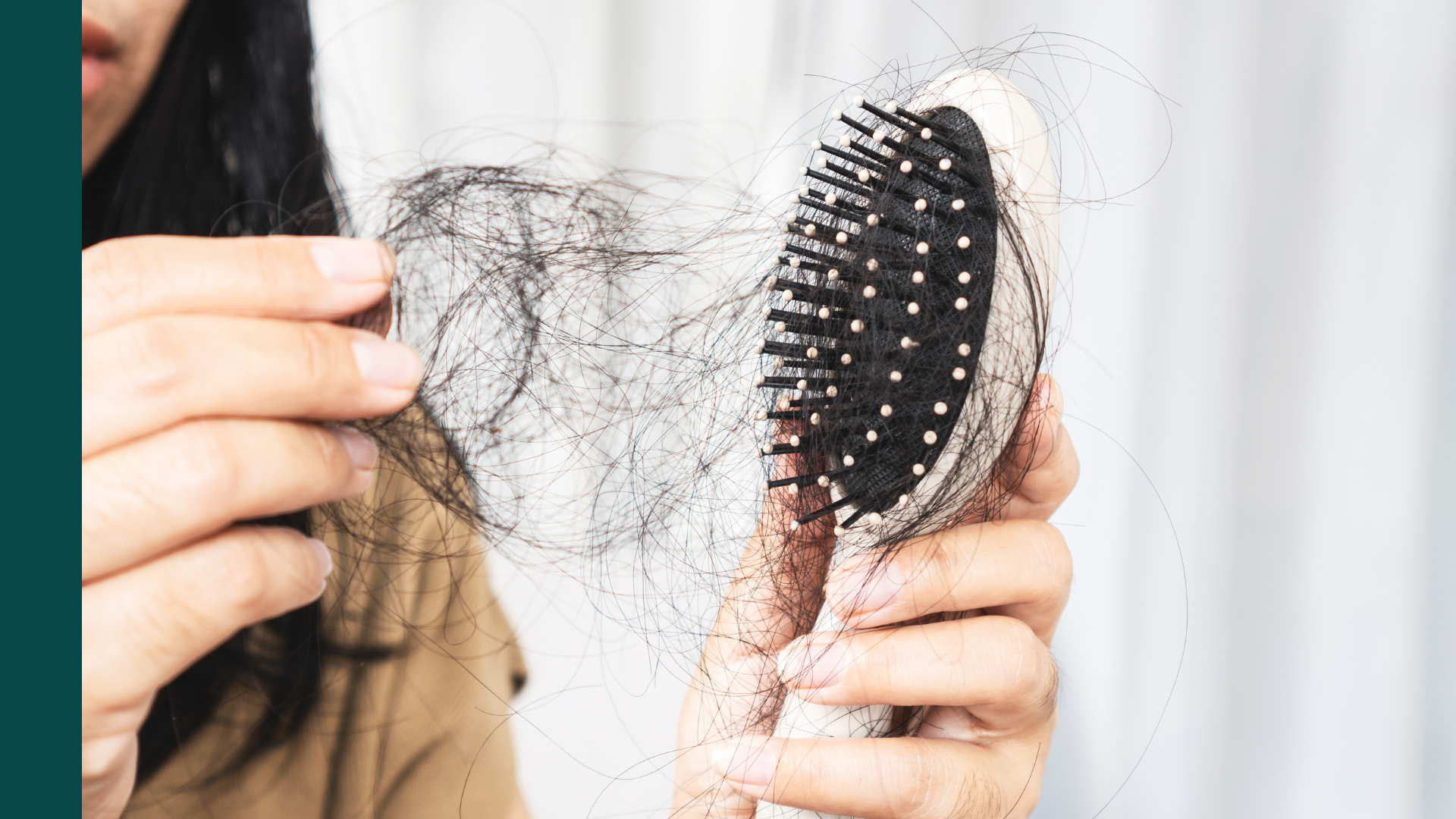
It usually starts small. A thicker clump in the shower drain, more strands on your comb, a parting that looks a little wider in photos. By the time most people come to see me at RasaDerm, they’ve already changed shampoos twice, tried every oil their mother recommended and spent hours reading conflicting advice online.
The first thing I tell them is that hair fall isn’t one condition. It’s a symptom, and the cause behind it decides the treatment. Stress-related shedding, genetic thinning and patchy hair loss look different, behave differently and need different approaches. That’s why the best treatment for hair fall always begins with a diagnosis, not a product.
In this guide, I’ll explain the common types of hair loss, the treatments I recommend for each, and what to realistically expect on results, sessions and cost.
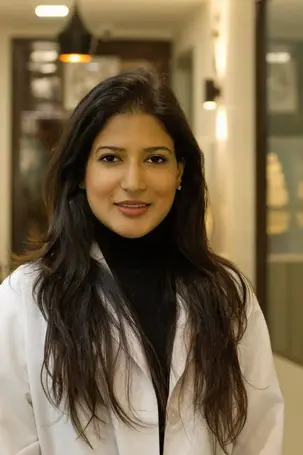
— Dr. Veenu Jindal, Founder & Lead Dermatologist, RasaDerm
How much Hair Fall is Normal?
Losing around 50 to 100 hairs a day is a normal part of the hair growth cycle. Each strand grows for a few years, rests and then sheds to make room for a new one.
Hair fall becomes a concern when shedding suddenly increases, when you notice thinning at the crown or parting, or when patches appear. If any of these sound familiar, it’s worth getting your scalp checked rather than waiting it out.
Understanding the different types of hair loss
The most common type I see is telogen effluvium, a sudden, diffuse shedding that usually starts two to three months after a trigger. That trigger might be a fever, illness, crash dieting, surgery, childbirth or a period of intense stress. The hair falls from all over the scalp, and the good news is that it’s usually temporary once the cause is addressed.
Androgenetic alopecia is genetic hair thinning, and it’s the most common cause of long-term hair loss in both men and women. In men, it typically shows up as a receding hairline and thinning at the crown.
In women, it tends to appear as a widening parting and reduced volume on top, while the hairline stays intact. Hair follicles gradually shrink over the years, producing finer, shorter hair, so early treatment makes a big difference.
Alopecia areata is an autoimmune condition that causes smooth, round patches of hair loss, sometimes on the beard or eyebrows too. Traction alopecia comes from repeated pulling on the hair through tight buns, ponytails or extensions, and it’s more common than people realise.
Hair fall can also be linked to thyroid imbalance, PCOS, iron or vitamin deficiencies and postpartum hormonal changes. Often, more than one of these is at play.
Hair fall treatments that dermatologists recommend
1. A proper diagnosis first
Before I recommend any treatment, I examine the scalp under magnification with trichoscopy, which shows the health of follicles and the pattern of thinning. Depending on what I see, I may also recommend blood tests for iron stores, vitamin D, B12, thyroid function and, for women, hormonal markers. Many cases of excessive hair fall improve dramatically once a hidden deficiency or imbalance is corrected. Skipping this step is why so many treatments fail.
2. Topical treatments
Topical minoxidil remains one of the most researched hair regrowth treatments for both men and women. It prolongs the growth phase of the hair cycle and helps shrinking follicles produce thicker strands. It needs consistent daily use, and results usually show after three to six months. Some people notice a temporary increase in shedding in the first few weeks, which is a sign the cycle is resetting, not a reason to stop.
3. Prescription oral medication
For genetic hair loss, oral medications prescribed by a dermatologist can slow thinning and support regrowth by targeting the hormonal pathway behind it. The options differ for men and women, and the right choice depends on your age, health and plans for pregnancy. These medicines must be prescribed and monitored by a doctor, never started on your own based on something you read online.
4. PRP therapy
Platelet-rich plasma is prepared from a small sample of your own blood and injected into thinning areas of the scalp. The growth factors in your platelets help nourish weakened follicles and extend the growth phase.
Also Read: Understanding PRP Therapy for Hair Loss: How Does It Work?
PRP is particularly useful for early to moderate genetic thinning and for shedding that hasn’t settled with topicals alone. A typical course is 4 to 6 sessions, spaced about a month apart, followed by maintenance sessions.
5. GFC therapy
GFC, or growth factor concentrate, is a more refined version of PRP. It concentrates the growth factors from your blood into a purer form, which many patients find more comfortable, with less swelling after the session.
At RasaDerm, I often recommend GFC for people who want a strong regenerative treatment with minimal disruption to their routine.
6. Hair exosome therapy
Exosomes are tiny signalling particles that help cells communicate and repair. In hair treatments, they’re used to support follicle activity and scalp health, often alongside microneedling. It’s a newer area, and research is still evolving, so I recommend exosomes as part of a broader plan rather than as a standalone fix.
For the right patient, they can be a meaningful addition.
7. Steroid injections for patchy hair loss
For alopecia areata, small steroid injections placed directly into the patches calm the immune reaction and allow hair to regrow, usually within a few months. Sessions are repeated every four to six weeks as needed. This is a treatment that clearly shows why diagnosis matters, because PRP or oils won’t fix an autoimmune patch.
8. Nutrition, lifestyle and scalp care
No in-clinic treatment can outrun ongoing deficiencies, crash diets or chronic stress. Adequate protein, correcting iron and vitamin levels, good sleep and gentle hair care all support every treatment we do. If you have traction alopecia, the most important step is simply changing hairstyles early, before the damage becomes permanent. For advanced genetic hair loss where follicles are no longer active, a hair transplant consultation may be the right next step.
Hair fall treatment for Men vs Women
Hair fall treatment for men usually focuses on genetic thinning at the hairline and crown. Topicals, oral medication and PRP or GFC form the core of most plans, and starting early helps preserve as much hair as possible.
Hair fall treatment for women often needs a wider lens. Hormonal shifts from PCOS, thyroid conditions, pregnancy and menopause commonly play a role, along with iron deficiency and stress-related shedding.
Treatment for women typically combines blood work, hormonal assessment and nutritional correction with topicals and regenerative therapies like GFC or PRP. Postpartum hair fall, in particular, usually recovers on its own, but the right support can help it settle sooner.
Hair fall treatment cost in Delhi
The cost of hair fall treatment depends on the type of hair loss, how advanced it is and the treatments in your plan. Topicals and oral medication are the most affordable part of treatment and are used long term.
In-clinic treatments like PRP, GFC and exosomes are priced per session and done as a course, with maintenance sessions afterwards. Steroid injections for patchy hair loss are usually quick and relatively affordable per session.
Hair grows slowly, so patience matters. Most people notice reduced shedding within six to eight weeks, but visible regrowth and density usually take four to six months. At RasaDerm, every hair plan begins with a consultation and scalp analysis, and you get a clear, itemised quote before we start.
Why see a dermatologist for hair fall?
Hair fall is emotional. It affects how you see yourself, and that makes it easy to reach for quick fixes. But the wrong treatment wastes time, and with genetic hair loss, time is the one thing you can’t get back. A dermatologist can tell you what’s actually causing your hair fall, whether it’s likely to recover on its own and what will genuinely help.
At RasaDerm, I examine your scalp, review your history and blood work, and build a plan around your type of hair loss, your lifestyle and your goals. Some people need only a few months of support. Others need a longer plan. Either way, you’ll know exactly where you stand.
Your hair has a cycle, and with the right care, it can find its way back.
Book a hair and scalp consultation with Dr. Veenu at RasaDerm, Ashok Vihar or Safdarjung.
Frequently asked questions
1. What is the best treatment for hair fall?
It depends on the cause. Stress-related shedding often settles once the trigger is addressed, genetic thinning responds to topicals, oral medication and PRP or GFC, and patchy hair loss is treated with steroid injections. A dermatologist’s diagnosis tells you which applies to you.
2. How can I stop hair fall naturally?
Eating enough protein, correcting any iron or vitamin deficiencies, managing stress, sleeping well and avoiding tight hairstyles all help. If shedding continues beyond a few months, see a dermatologist.
3. Can hair grow back after hair fall?
In most cases of telogen effluvium and alopecia areata, yes. With genetic hair loss, early treatment can slow thinning and regrow hair, but follicles that have been inactive for a long time are harder to revive.
4. How many PRP or GFC sessions will I need?
Most people need 4 to 6 sessions spaced about a month apart, followed by maintenance sessions every few months.
5. Does hair oil stop hair fall?
Oiling can improve scalp comfort and hair texture, but it doesn’t treat the underlying causes of hair loss, such as genetics, hormones or deficiencies.