Acne may clear up with time, but the scars it leaves behind can be much harder to treat. If you have tried skincare products, exfoliants and serums without seeing much improvement in uneven skin texture, you may be wondering what to do next.
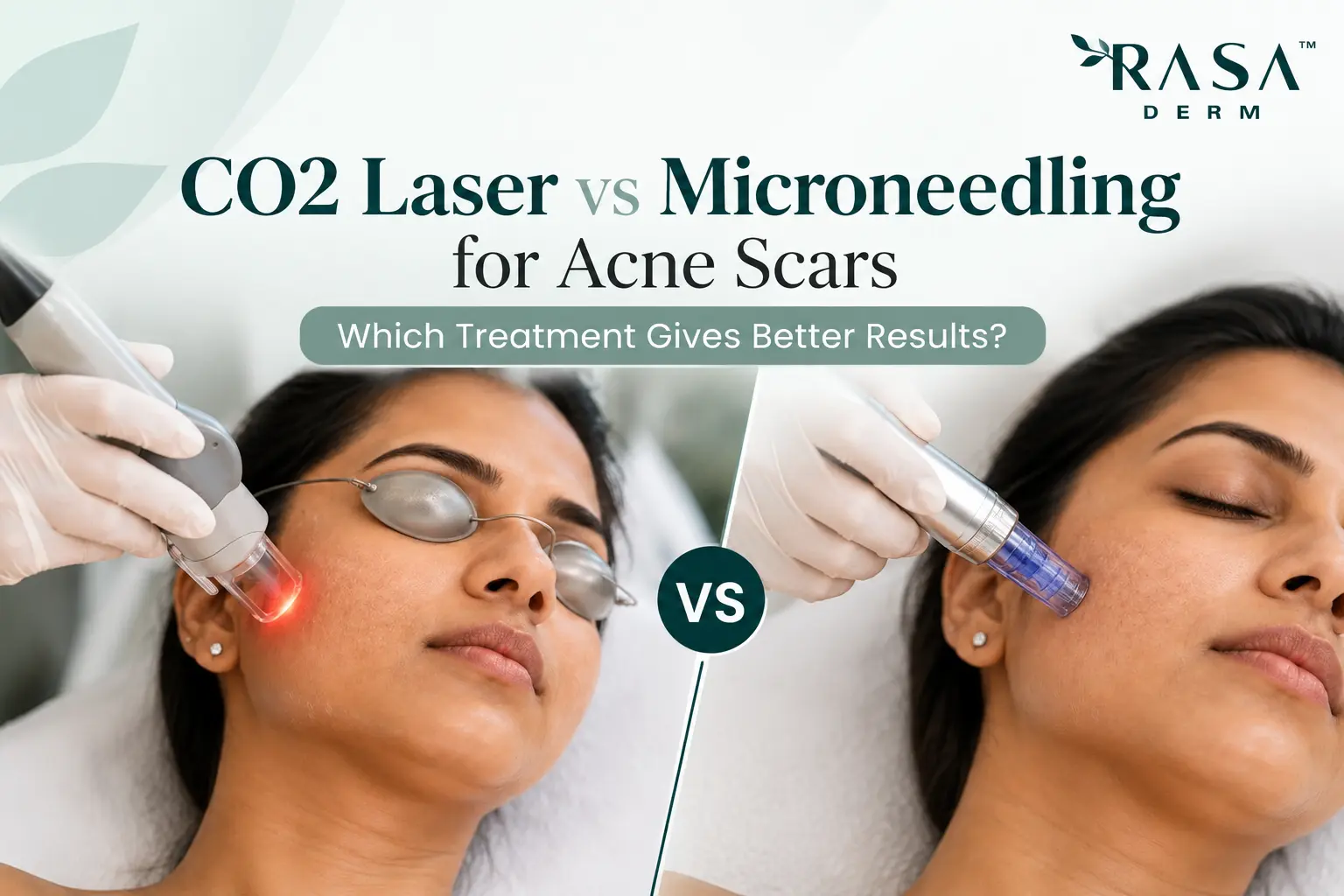
Two treatments dermatologists often recommend for acne scars are fractional CO2 laser and microneedling.
Both stimulate collagen production and help improve the appearance of uneven skin, but they work differently and may deliver different results depending on your scar type, skin tone and individual concerns.
So, when it comes to CO2 laser vs microneedling for acne scars, which treatment is right for you?
Understanding Acne Scars
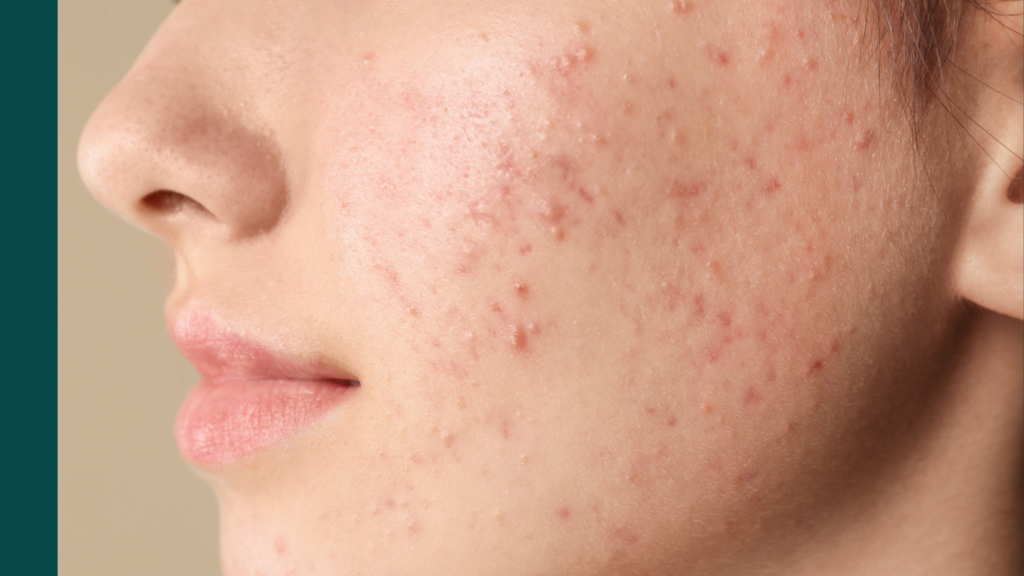
Acne scars develop when inflammation from acne damages the deeper layers of the skin. During healing, the skin may produce too little or too much collagen, resulting in uneven texture or visible scars.
Atrophic acne scars are particularly common and appear as indentations in the skin. These include ice pick scars, which are narrow and deep; boxcar scars, which have wider depressions with defined edges; and rolling scars, which create a wavy appearance across the skin.
It is also important to distinguish acne scars from flat red or brown marks left after a breakout, as these are often related to post-inflammatory redness or pigmentation and may require a different treatment approach.
Understanding the type of scarring you have is the first step towards choosing the right acne scar treatment.
What Is Fractional CO2 Laser for Acne Scars?
Fractional CO2 laser is a skin resurfacing treatment that uses controlled laser energy to create microscopic columns of injury in the skin.
This activates the skin’s natural healing process and stimulates collagen remodelling, gradually improving the appearance of certain acne scars and uneven texture.
Fractional CO2 laser for acne scars is often considered for people with more pronounced textural concerns, as it can help soften scar edges and improve overall skin smoothness.
However, results depend on the depth and type of scars, the laser settings used and the individual’s response to treatment.
Since it is an ablative procedure, the skin needs time to heal afterwards. Redness, swelling, sensitivity and small crusts may develop, and visible recovery can take several days or longer, depending on the intensity of the treatment.
Post-inflammatory hyperpigmentation is another important consideration, particularly for Indian skin tones that may be more prone to developing dark marks after inflammation.
Proper patient selection, sun protection and following your dermatologist’s aftercare instructions are essential for achieving the best possible outcome.
What Is Microneedling for Acne Scars?
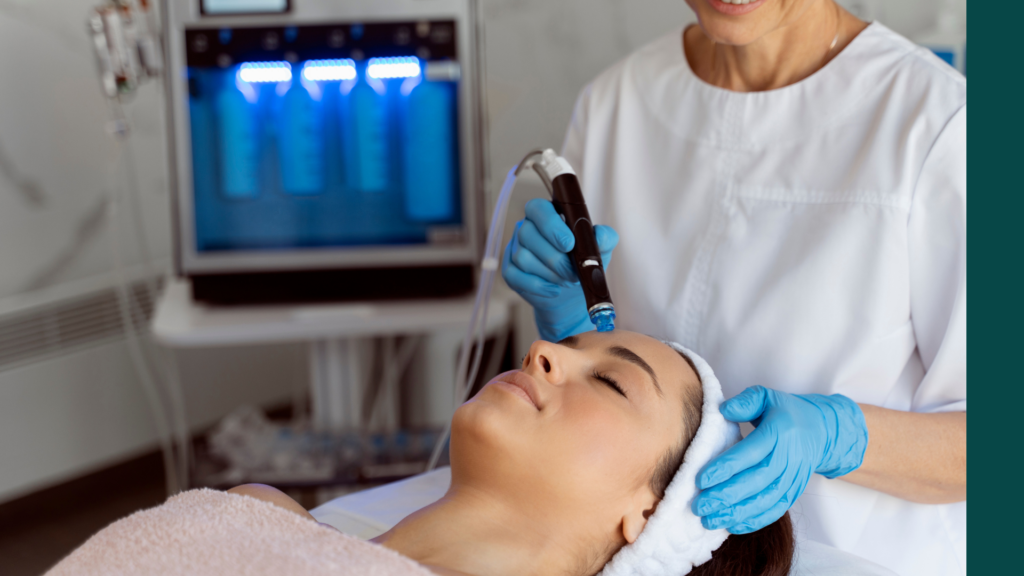
Microneedling is a collagen-stimulating procedure that uses fine, sterile needles to create controlled micro-injuries in the skin.
These tiny punctures activate the body’s natural repair process, encouraging collagen and elastin production over time.
Microneedling for acne scars may help improve shallow scars, uneven skin texture and the overall appearance of the skin.
It is often considered for people who prefer a treatment with a relatively shorter recovery period. However, the results are gradual, and multiple sessions are generally needed to achieve visible improvement.
Following treatment, the skin may appear red or feel sensitive for a few days. Although microneedling is often associated with less downtime than fractional CO2 laser, it is not completely risk-free.
Irritation, infection, scarring and pigmentation changes can occur, particularly if the procedure is performed incorrectly or appropriate aftercare is not followed.
A qualified professional should assess the skin before treatment to determine whether microneedling is suitable.
CO2 Laser vs Microneedling: What Is the Difference?
The main difference between CO2 laser and microneedling lies in how they stimulate the skin’s healing response.
Fractional CO2 laser uses laser energy to resurface targeted areas of the skin while stimulating collagen remodelling.
Microneedling uses fine needles to trigger collagen production without the same type of laser resurfacing.
CO2 laser may be considered for selected moderate to deeper textural scars, while microneedling can be useful for certain mild to moderate scars and uneven texture.
The intensity of fractional CO2 laser treatment usually means a longer recovery period, whereas microneedling generally involves temporary redness and sensitivity that settle relatively quickly.
Both treatments can improve acne scars, but neither guarantees complete scar removal. The final result depends on the scar pattern, skin tone, treatment technique and the number of sessions required.
When comparing CO2 laser vs microneedling, it is important to look beyond the treatment itself and consider the expected results, recovery time and potential side effects.
Which Treatment Gives Better Results for Acne Scars?
There is no single treatment that works best for everyone. Fractional CO2 laser may provide more noticeable improvement for certain types of pronounced textural scarring, particularly when resurfacing is appropriate for the patient’s skin.
However, it generally involves more downtime and requires careful consideration of pigmentation risk.
Microneedling may be a suitable option for people with shallower scars who prefer a less intensive procedure and are comfortable with gradual improvement over multiple sessions.
Some acne scars respond better to treatments other than either procedure alone. For example, deep ice pick scars may benefit from TCA CROSS, while tethered rolling scars may require subcision to release the underlying fibrous bands.
In some cases, a dermatologist may recommend combining different procedures in a carefully planned sequence.
The best treatment for acne scars is therefore the one that addresses your specific scar type while taking your skin’s healing response and long-term goals into account.
Which Treatment Is Suitable for Indian Skin?
Skin tone plays an important role when choosing an acne scar treatment. Indian skin can be more susceptible to post-inflammatory hyperpigmentation, which means inflammation following a procedure may leave darker marks during the healing process.
Fractional CO2 laser can still be an option for selected Indian skin types, but treatment settings, individual risk factors and aftercare need careful consideration.
Microneedling may be appropriate for some people who are prone to pigmentation, although it can also cause dark marks in certain circumstances.
A dermatologist should evaluate your skin tone, existing pigmentation, scar depth, history of previous procedures and current acne before recommending a treatment.
The goal is not simply to make scars less visible but to improve skin texture while minimising the risk of unwanted side effects.
Can CO2 Laser and Microneedling Be Combined?
In certain cases, a combination approach may be considered to address different types of acne scars.
Some people have a mixture of deep depressions, rolling scars, uneven texture and pigmentation, which may not respond equally well to a single treatment.
A dermatologist may recommend a personalised plan involving procedures such as subcision, fractional CO2 laser, microneedling or other scar-specific treatments.
These procedures may need to be performed at separate appointments to allow the skin to recover properly.
Combining treatments does not automatically produce better results, and the approach should be based on a thorough assessment rather than following a standard protocol.
With the right treatment plan, many people can achieve a visible improvement in skin texture, although completely scar-free skin cannot be guaranteed.
What Is the Cost of Acne Scar Treatment?
The cost of acne scar treatment varies depending on the clinic, technology used, treatment area, number of sessions and complexity of the scars.
Fractional CO2 laser may cost more per session than standard microneedling in some clinics, although pricing differs from one provider to another.
The total cost of treatment also depends on how many sessions are needed and whether additional procedures are recommended.
When comparing acne scar treatment costs, it is useful to consider the complete treatment plan rather than focusing only on the price of a single session.
During your consultation, ask about the expected number of sessions, recovery time, possible side effects and realistic treatment outcomes.
Choosing a procedure solely because it is cheaper or more intensive may not necessarily lead to better results.
What Should You Know Before Starting Acne Scar Treatment?
Before beginning any procedure, it is important to have your skin assessed by a dermatologist. Active acne should be appropriately controlled to reduce the risk of developing new scars, and the type of existing scars should be identified before treatment is selected.
If you have a history of pigmentation after acne, irritation or previous procedures, discuss this during your consultation. Following pre-treatment and post-treatment instructions can also make a difference to your recovery.
Gentle cleansing, suitable moisturisation and daily sun protection are important, while exfoliating acids, retinoids and other potentially irritating skincare products may need to be paused around the procedure.
Your dermatologist will advise when these products can be safely reintroduced. It is also important to have realistic expectations, as collagen remodelling takes time and improvement usually occurs gradually over several weeks or months.
The Rasa Derm Approach to Acne Scar Treatment
At Rasa Derm, acne scar treatment begins with understanding your skin rather than choosing a procedure based on popularity.
Fractional CO2 laser and microneedling both have a role in improving acne scars, but the right option depends on your scar pattern, skin tone, recovery expectations and individual goals.
A dermatologist-led consultation helps determine whether one treatment, a combination of procedures or an alternative approach is most appropriate for your skin.
If you are considering CO2 laser vs microneedling for acne scars, a personalised assessment can help you understand your options and make an informed decision.
Book a consultation with the dermatology team at Rasa Derm to discuss a treatment plan tailored to your skin’s needs. Individual results vary, and all procedures carry potential risks that should be discussed with your dermatologist before treatment.