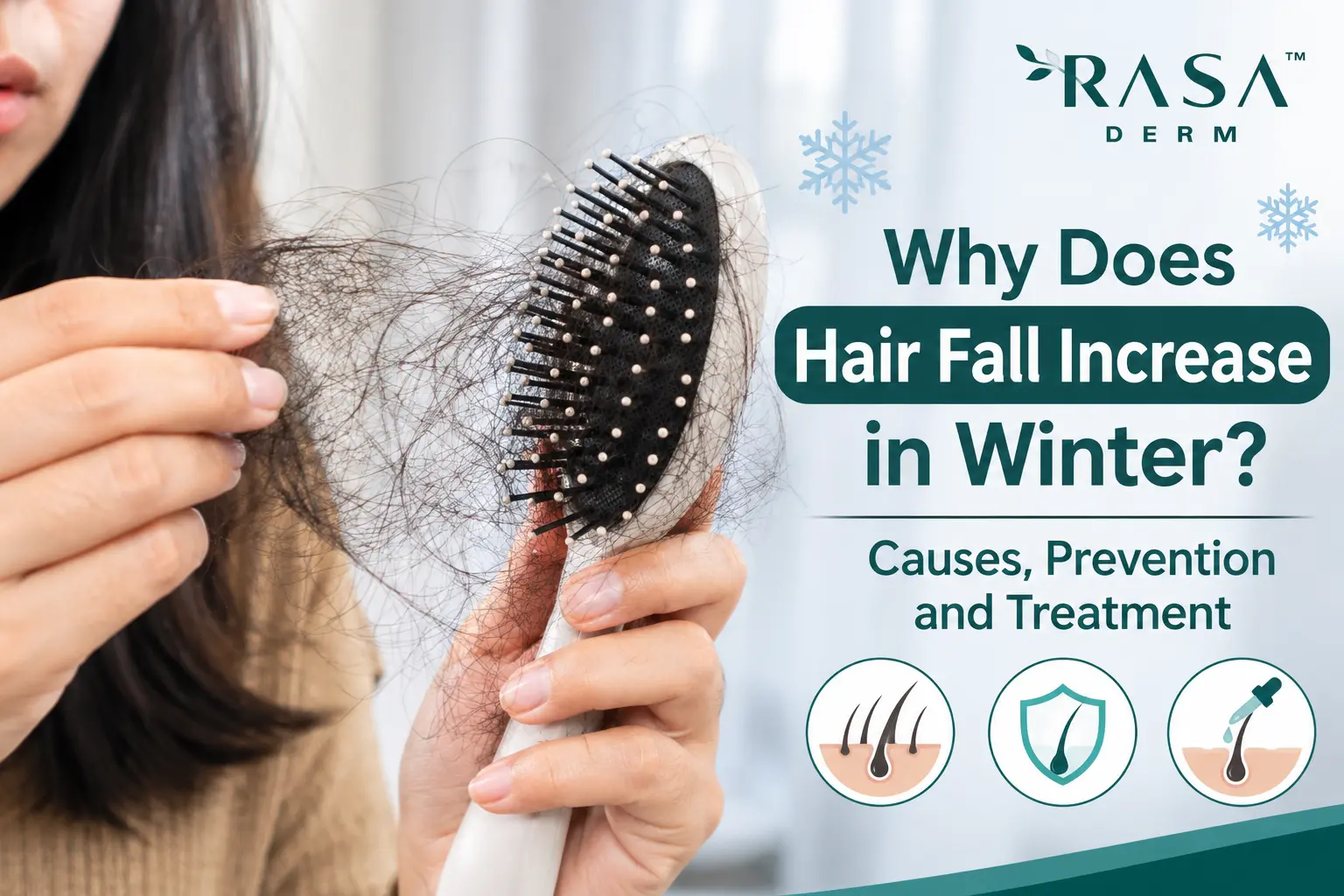
Have you noticed more hair strands on your pillow, in your shower drain or on your hairbrush as soon as winter arrives? You’re not imagining things.
Many people notice changes in their hair and scalp during colder months, including increased dryness, frizz, dandruff and sometimes more noticeable hair shedding. Winter hair fall is a common concern, but does cold weather actually make your hair fall out? Or is there more happening beneath the surface?
The truth is that seasonal changes can influence scalp health and hair condition, although winter itself is not always the direct cause of increased hair loss.
Understanding the reasons behind seasonal hair shedding can help you take better care of your hair and recognise when it’s time to consult a dermatologist.
Why Does Hair Fall Increase in Winter?
There isn’t one single reason why hair fall may seem worse during winter. Changes in temperature, humidity, scalp conditions and everyday hair-care habits can all play a role.
One common factor is reduced humidity. During winter, the air becomes drier, and indoor heating can further reduce moisture levels.
This can leave your scalp feeling dry and your hair strands more brittle. When hair becomes dry, it is more prone to tangling and breakage, making it appear thinner or less healthy. Another possible reason is seasonal hair shedding.
Some studies suggest that hair shedding can follow seasonal patterns, although the timing and extent vary between individuals. It is important to distinguish between actual hair shedding from the roots and hair breakage caused by dryness or damage.
1. Dry Scalp and Hair Fall: Understanding the Connection
One of the most common winter hair concerns is a dry, uncomfortable scalp. Cold weather, low humidity and frequent exposure to hot water can affect the scalp’s natural moisture balance.
You may experience tightness, itching, flaking or increased sensitivity. A dry scalp does not automatically cause hair loss, but persistent irritation and scratching can contribute to hair breakage and inflammation.
It is also important to remember that a flaky scalp isn’t always simply dry skin. Dandruff and seborrhoeic dermatitis can cause similar symptoms and may require specific treatment.
If you notice persistent flakes, itching or redness, using random oils and home remedies may not solve the problem. Identifying the actual scalp condition is the first step towards treating it.
2. Hot Water Showers Can Make Hair More Fragile
Let’s be honest. A long, hot shower feels wonderful during winter. But extremely hot water can strip away some of the natural oils that help protect your scalp and hair.
This may increase dryness, roughness and frizz, making your hair more vulnerable to breakage. Try washing your hair with lukewarm water instead of very hot water.
Use a gentle shampoo suited to your scalp and apply conditioner to the lengths and ends. Small changes in your washing routine can help maintain healthier-looking hair throughout winter.
3. Seasonal Hair Shedding: Is It Normal?
Hair naturally goes through a continuous growth cycle consisting of the anagen (growth), catagen (transition) and telogen (resting) phases.
At the end of the resting phase, the hair strand sheds and a new one can begin growing. Some research suggests that human hair shedding may vary with the seasons, with certain individuals experiencing more shedding during particular months.
However, significant hair fall should not automatically be dismissed as seasonal. Conditions such as telogen effluvium can cause increased shedding following physical or emotional stress, high fever, illness, surgery, nutritional deficiencies, childbirth or rapid weight loss.
Interestingly, the shedding may become noticeable two to three months after the triggering event. If your hair fall is sudden, excessive or persistent, a dermatologist can help identify the cause.
4. Winter Dandruff and Scalp Inflammation
Have you noticed more visible flakes on your shoulders during winter? Dandruff can become more noticeable during colder months, particularly when the scalp is affected by seborrhoeic dermatitis.
This condition can cause flaking, itching, redness and irritation. Scratching an inflamed scalp repeatedly can worsen discomfort and contribute to hair breakage.
Using an appropriate anti-dandruff shampoo containing ingredients such as ketoconazole or other dermatologist-recommended active ingredients may help, depending on the diagnosis.
The frequency of use should follow the product instructions or your dermatologist’s advice. If dandruff is severe, recurrent or accompanied by significant hair shedding, professional evaluation is recommended.
5. Nutritional Deficiencies Can Make Winter Hair Fall Worse
Winter hair fall isn’t always related to the weather. Sometimes, the colder months simply make an existing hair concern more noticeable. Your hair follicles need adequate nutrition to maintain a healthy growth cycle.
Low iron stores, inadequate protein intake, zinc deficiency and certain other nutritional deficiencies can contribute to hair shedding. Vitamin D deficiency may also be relevant in some individuals. Include protein-rich foods such as paneer, curd, lentils, chickpeas, beans, tofu and eggs if you consume them.
Add nuts, seeds, leafy vegetables and iron-rich foods to your meals. Pair plant-based iron sources with vitamin C-rich foods such as amla, guava, oranges or lemon to improve iron absorption.
If you suspect a deficiency, consult your dermatologist about appropriate blood investigations rather than starting multiple supplements without guidance.
6. How to Prevent Hair Fall in Winter
The good news is that a few simple changes can help protect your hair and maintain scalp health during winter. Start by choosing a gentle shampoo that suits your scalp condition. There is no need to avoid washing your hair because of the cold. Wash it as often as required to keep your scalp clean and comfortable.
Follow shampooing with a conditioner to reduce dryness and friction. If your hair feels particularly dry, a suitable leave-in conditioner or hair serum can help manage frizz and minimise breakage.
Avoid excessive heat styling, frequent chemical treatments and tight hairstyles. Detangle gently, especially when your hair is wet, and use a wide-toothed comb to reduce unnecessary pulling. If you enjoy oiling your hair, you can use a suitable oil as a conditioning treatment before washing.
Coconut oil may help reduce protein loss from the hair shaft, but remember that oiling does not treat every cause of hair loss or stimulate new follicles. Most importantly, avoid aggressive scalp massages and scratching.
7. Does Your Winter Hair Care Routine Need to Change?
Absolutely. Your summer hair-care routine may not provide the same comfort during colder months. Winter often calls for more attention to moisture retention and scalp comfort.
Choose hair-care products according to your scalp type rather than simply following seasonal trends. If you have an oily scalp with dandruff, using heavy oils may worsen buildup or irritation. If you have a dry scalp, a gentle cleansing routine and appropriate moisturising products may be more helpful.
Protect your hair from excessive heat, avoid sleeping with soaking-wet hair and consider covering it when exposed to cold, dry winds. Remember that healthy hair care is about consistency, not using ten different products.
8. When Should You See a Dermatologist for Winter Hair Fall?
While some seasonal changes in hair shedding may be temporary, certain symptoms should never be ignored.
If you notice excessive hair fall lasting several weeks, a widening hair parting, reduced ponytail thickness, visible scalp, sudden bald patches or persistent scalp itching and inflammation, it’s time to seek professional advice.
A dermatologist may examine your scalp using a dermatoscope and recommend blood tests based on your medical history and symptoms. These may include investigations for iron deficiency, thyroid disorders and relevant nutritional deficiencies.
Identifying the underlying cause is important because different types of hair loss require different treatments.
9. What Treatments Can Help With Excessive Hair Fall?
The right treatment depends entirely on why your hair is falling. If the problem is related to nutritional deficiencies, correcting those deficiencies may help restore normal hair growth.
If you’re experiencing dandruff or seborrhoeic dermatitis, appropriate scalp treatment can help control inflammation and flaking.
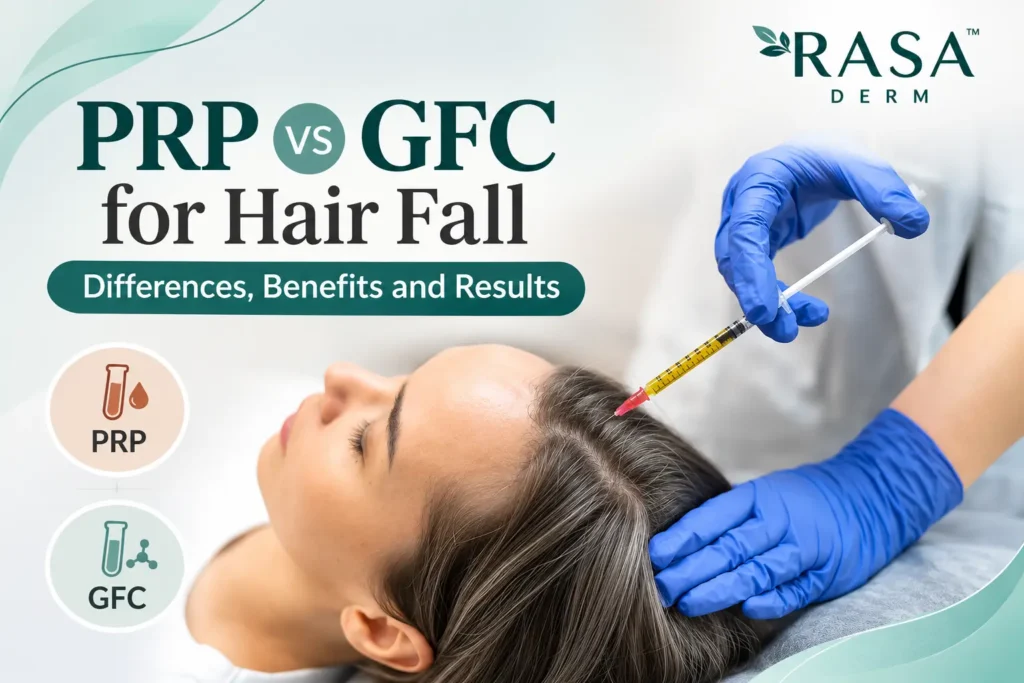
For certain types of hair loss, a dermatologist may recommend clinically established treatments such as topical minoxidil. In selected patients, procedures such as Platelet-Rich Plasma (PRP) or Growth Factor Concentrate (GFC) may also be considered as part of a personalised hair restoration plan.
These treatments have different evidence levels, and results vary between individuals. No single hair treatment works for every type of hair fall, which is why a proper diagnosis should always come before treatment.
Final Thoughts: Don’t Blame Every Falling Strand on Winter
Winter can make your hair feel drier, your scalp more uncomfortable and existing hair concerns more noticeable. But excessive hair fall isn’t something you should automatically accept as a seasonal problem.
Pay attention to your scalp, maintain a balanced diet, follow a gentle hair-care routine and avoid unnecessary styling damage. Most importantly, if your hair fall is persistent or increasing, understand the cause before trying another home remedy or hair-growth product.
At RasaDerm, we believe healthy hair begins with a healthy scalp and the right diagnosis. Whether you’re experiencing seasonal hair shedding, persistent hair fall or reduced hair density, a dermatologist-led consultation can help you understand what’s happening and explore the right treatment options for your hair.