Everyone wants healthy, glowing skin, but choosing the right professional skin treatment can sometimes be confusing.
With so many options available, two treatments that often come up in dermatologist consultations are HydraFacial and chemical peels.
Both are popular for improving skin texture, addressing dullness and enhancing overall skin appearance, but they work in very different ways.
So, HydraFacial vs chemical peel: which one should you choose? Is HydraFacial better for glowing skin?
Can chemical peels help with acne and pigmentation? And which treatment is more suitable if you want visible results with minimal downtime?
The answer depends on your skin type, concerns and treatment goals. While HydraFacial focuses on cleansing, exfoliation, hydration and nourishment, chemical peels use carefully selected acids to exfoliate the skin and encourage cell renewal.
Let’s understand the differences, benefits, results and recovery time to help you make the right choice.
What Is a HydraFacial?
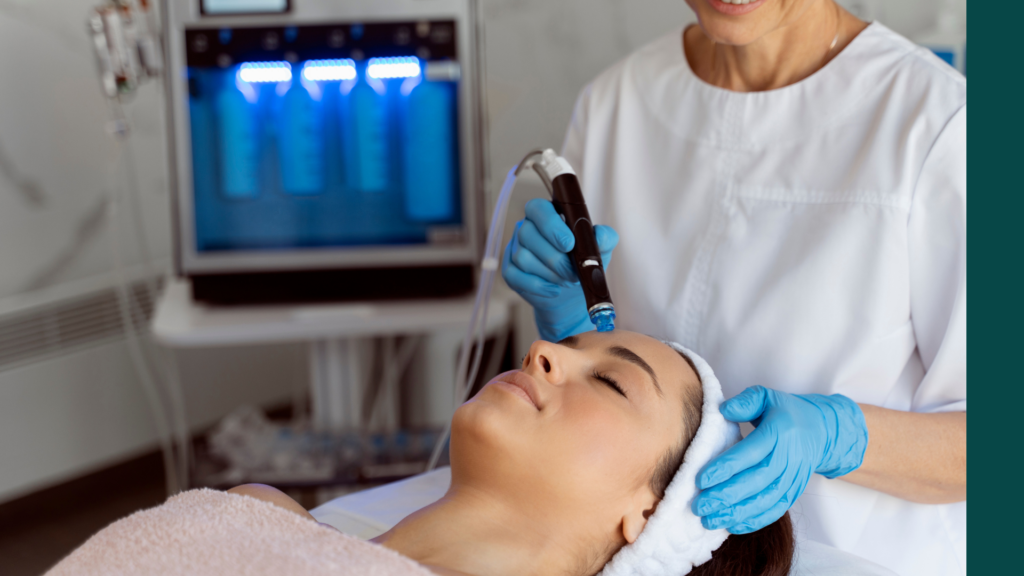
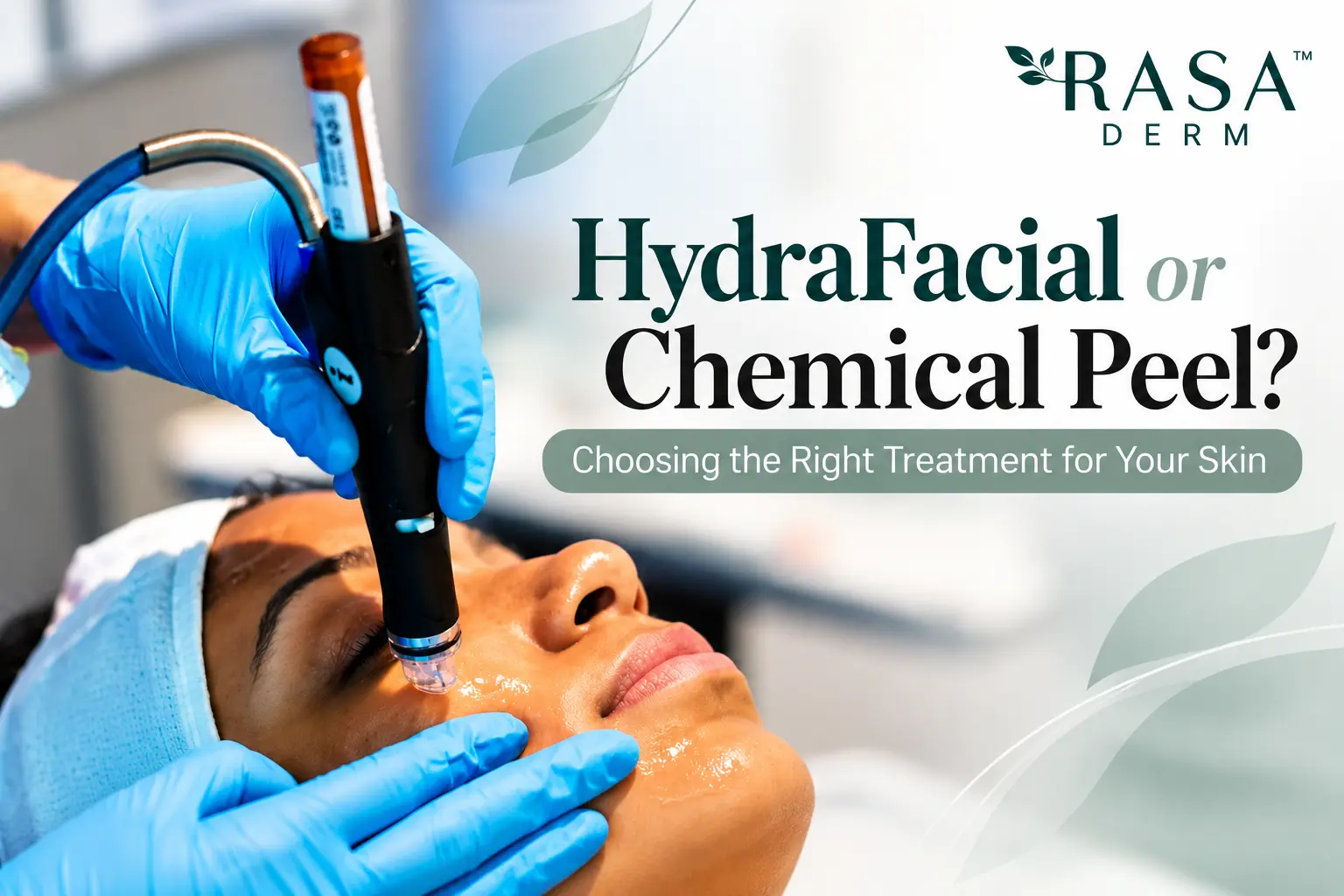
HydraFacial is a non-invasive skin treatment that combines cleansing, exfoliation, extraction and hydration in a single procedure.
It uses a specialised device with a vortex-based technology to remove dead skin cells, loosen impurities and deliver hydrating serums to the skin.
The treatment generally begins with gentle cleansing and exfoliation to remove surface debris and prepare the skin.
This is followed by a mild chemical peel, which helps loosen impurities and dead skin cells. The device then uses a painless suction-based extraction process to remove dirt and congestion from pores.
Finally, the skin is infused with hydrating and antioxidant-rich serums to support skin hydration and improve its overall appearance.
One of the biggest advantages of HydraFacial is that it addresses multiple skin concerns in one session without significant downtime.
It is commonly recommended for individuals experiencing dullness, dehydration, congested pores, uneven skin texture and a lack of radiance.
It is also a popular option before special occasions when someone wants their skin to look refreshed and hydrated.
What Is a Chemical Peel?
A chemical peel is a dermatologist-performed skin treatment that uses carefully selected chemical exfoliating agents to remove damaged outer layers of the skin and encourage cellular renewal.
Depending on the type and strength of the peel, it can work at different depths to address specific skin concerns.
Common chemical peeling agents include glycolic acid, salicylic acid, lactic acid, mandelic acid, ferulic acid and trichloroacetic acid (TCA).
Each ingredient works differently and is selected according to the patient’s skin type and concern.
For example, salicylic acid peels are commonly used for acne-prone and oily skin because of their ability to penetrate oil-filled pores.
Glycolic acid peels help improve dullness, uneven texture and certain types of pigmentation. Lactic acid peels are often considered for individuals who need gentler exfoliation, while other specialised peels may be recommended for stubborn pigmentation and uneven skin tone.
Unlike HydraFacial, which focuses on surface cleansing and hydration, chemical peels are designed to create controlled exfoliation and stimulate skin renewal.
Depending on the formulation and depth, they may involve temporary redness, peeling, dryness or downtime.
HydraFacial vs Chemical Peel: What Is the Difference?
The primary difference between HydraFacial and chemical peels is their approach to skin rejuvenation.
HydraFacial combines cleansing, exfoliation, extraction and hydration to improve the skin’s appearance, while chemical peels use active acids to exfoliate the skin and address specific concerns.
HydraFacial is generally suitable for individuals looking for an immediate boost in hydration, radiance and skin freshness.
Chemical peels are often more appropriate when the goal is to address concerns such as acne, pigmentation, uneven skin tone and rough texture through targeted exfoliation.
Another important difference is recovery time. HydraFacial typically involves little to no downtime, allowing most individuals to resume their regular activities immediately.
Chemical peel recovery depends on the type and strength of the peel, with some superficial peels causing mild flaking and deeper peels requiring more extensive recovery.
Neither treatment is universally better. The right choice depends on what your skin needs rather than which treatment is more popular.
HydraFacial vs Chemical Peel for Acne: Which Is Better?
Acne is one of the most common reasons people seek professional skin treatments. However, not all acne requires the same approach, and choosing between HydraFacial and a chemical peel depends on the type and severity of acne.
HydraFacial may be beneficial for individuals experiencing mild congestion, blackheads, whiteheads and excess oil.
Its extraction technology helps remove impurities from pores, while exfoliation supports smoother-looking skin.
It can be a useful maintenance treatment for individuals who experience occasional congestion and want to keep their skin clean and hydrated.
Chemical peels, particularly those containing salicylic acid or mandelic acid, may be more suitable for individuals experiencing oily skin, clogged pores and certain types of acne.
These ingredients help exfoliate within the pore lining and can support the management of acne-prone skin.
However, active inflammatory acne, painful cystic acne and severe breakouts require a dermatologist’s assessment.
Neither HydraFacial nor chemical peels should be considered a replacement for appropriate acne medication when medical treatment is needed.
HydraFacial vs Chemical Peel for Pigmentation: Which Works Better?
Pigmentation can develop due to sun exposure, hormonal changes, acne marks and post-inflammatory inflammation.
Choosing the right treatment depends on the type, depth and underlying cause of pigmentation.
HydraFacial can help improve surface dullness and uneven-looking skin by removing dead skin cells and delivering hydrating serums.
It may give the complexion a fresher and more radiant appearance, but it is generally not the primary treatment for deeper pigmentation concerns.
Chemical peels may be more effective for selected pigmentation concerns because specific peeling agents can help accelerate skin cell turnover and improve uneven skin tone.
Dermatologists may recommend glycolic acid, mandelic acid, lactic acid or specialised pigmentation peels depending on the condition.
For concerns such as melasma, post-acne pigmentation and sunspots, treatment must be carefully customised.
This is particularly important for Indian skin tones, which can be more prone to post-inflammatory hyperpigmentation after aggressive exfoliation.
A dermatologist may recommend a combination of topical skincare, sun protection and in-clinic treatments rather than relying on a chemical peel alone.
HydraFacial Benefits: Why Is It Popular?
One of the biggest advantages of HydraFacial is that it combines multiple skincare steps into one comfortable procedure.
It helps remove surface impurities, dead skin cells and congestion while delivering hydrating ingredients to the skin.
This makes it a popular choice for individuals experiencing dullness, dehydration and uneven skin texture.
HydraFacial can also help improve the appearance of enlarged or congested pores through its extraction process.
The hydration component helps the skin appear smoother, plumper and more refreshed. Since the treatment generally involves minimal downtime, it is convenient for individuals with busy schedules or those preparing for an event.
It is also useful as part of a regular skin maintenance routine when recommended by a dermatologist.
However, results are generally temporary and maintaining healthy skin requires consistent skincare, sun protection and appropriate treatment planning.
Chemical Peel Benefits: Why Should You Consider One?
Chemical peels offer targeted exfoliation and can be customised according to individual skin concerns.
Depending on the peeling agent and formulation, they may help improve acne, superficial pigmentation, uneven skin tone, rough texture and certain signs of photoageing.
By removing damaged outer skin cells and encouraging cellular renewal, chemical peels can help reveal smoother and more even-looking skin over time.
Some peels also help reduce clogged pores and excess oil, making them useful for selected acne-prone skin types.
Another advantage is that chemical peels can be tailored to different skin concerns. A dermatologist can select the appropriate acid, concentration, application time and treatment frequency based on your skin’s tolerance and condition.
However, stronger peels are not necessarily better, particularly for sensitive or pigmentation-prone skin.
HydraFacial Downtime vs Chemical Peel Recovery Time
Recovery time is an important consideration when choosing between HydraFacial and chemical peels.
HydraFacial generally has minimal downtime. Some individuals may experience temporary redness or mild sensitivity immediately after the treatment, but these effects usually settle quickly. Most people can return to their normal activities on the same day.
Chemical peel recovery depends on the depth and strength of the peel. Superficial peels may cause mild redness, dryness or flaking for a few days, while medium-depth peels can involve more noticeable peeling and a longer recovery period.
Deeper peels require significantly more downtime and medical supervision.
After a chemical peel, it is important to avoid picking or peeling the skin manually, follow the prescribed post-treatment skincare routine and apply broad-spectrum sunscreen regularly. Hydration and sun protection are essential after both treatments.
HydraFacial vs Chemical Peel Cost: Which Is More Expensive?
The cost of HydraFacial vs chemical peel treatments varies depending on the clinic, technology, treatment formulation, dermatologist’s expertise and number of sessions required.
HydraFacial pricing may depend on the type of treatment, boosters selected and the technology used. Premium HydraFacial protocols with specialised serums or boosters may cost more than standard sessions.
Chemical peel pricing depends on the type of peel, active ingredients, concentration, treatment depth and whether it is part of a customised treatment plan.
Some superficial peels may be relatively affordable, while specialised pigmentation or combination peel protocols may involve higher costs.
Rather than comparing the price of a single session, consider your skin concern, expected treatment course and the overall value of the treatment recommended by your dermatologist.
Can You Combine HydraFacial and Chemical Peels?
Yes, HydraFacial and chemical peels may both be included in a personalised skin treatment plan, but they are not necessarily performed together in the same session.
A dermatologist may recommend HydraFacial for regular skin maintenance and hydration while using chemical peels at selected intervals to address concerns such as acne, pigmentation or uneven texture.
The treatment sequence and frequency depend on your skin’s condition, sensitivity and recovery. Combining exfoliating treatments too frequently can compromise the skin barrier, resulting in irritation, dryness and increased sensitivity.
This is why professional guidance is important before combining multiple in-clinic treatments.
HydraFacial or Chemical Peel: Which Should You Choose?
If your primary concern is dullness, dehydration, congested pores or a lack of glow, HydraFacial may be a suitable option. It offers cleansing, exfoliation and hydration with minimal downtime, making it a convenient treatment for individuals looking for refreshed and radiant-looking skin.
If you are dealing with persistent acne, uneven skin tone, superficial pigmentation or rough skin texture, a dermatologist may recommend a chemical peel based on your skin condition. Chemical peels offer more targeted exfoliation and can be customised to address specific concerns.
For some individuals, both treatments may have a role in a long-term skincare plan. The most important step is understanding your skin before choosing a treatment.
Frequently Asked Questions About HydraFacial vs Chemical Peel
Is HydraFacial better than a chemical peel?
Neither treatment is universally better. HydraFacial is generally preferred for hydration, cleansing and an immediate glow, while chemical peels are often recommended for targeted concerns such as acne, pigmentation and uneven skin texture. The right treatment depends on your skin type and goals.
Can HydraFacial remove pigmentation?
HydraFacial may improve surface dullness and uneven-looking skin, but it is not generally considered a primary treatment for deeper pigmentation. Specific chemical peels and dermatologist-prescribed skincare may be more suitable depending on the type of pigmentation.
Is a chemical peel safe for sensitive skin?
Certain superficial chemical peels may be suitable for sensitive skin, but the choice of acid, concentration and application protocol must be carefully customised. A dermatologist should assess your skin before recommending treatment.
Does HydraFacial have any downtime?
HydraFacial generally involves minimal downtime. Some individuals may experience temporary redness or mild sensitivity, but most can return to their usual activities immediately.
How often should you get a HydraFacial?
The frequency depends on your skin type and treatment goals. Some individuals may benefit from monthly sessions, while others may need them less frequently. Your dermatologist can recommend an appropriate schedule.
How long does it take to recover from a chemical peel?
Recovery depends on the depth of the peel. Superficial peels may cause mild flaking for a few days, while medium-depth peels may require a longer recovery period. Your dermatologist will provide specific aftercare instructions.
Final Thoughts: Choose the Treatment Your Skin Actually Needs
When comparing HydraFacial vs chemical peel, remember that both treatments serve different purposes. HydraFacial focuses on cleansing, hydration and improving overall skin radiance, while chemical peels offer targeted exfoliation to address concerns such as acne, pigmentation and uneven texture.
At RasaDerm, we believe that good skin treatments begin with understanding your skin rather than following trends. Our dermatologist-led approach focuses on identifying your skin concerns, evaluating your skin barrier and recommending treatments that align with your individual needs.
Because the best treatment isn’t the one everyone is talking about. It’s the one your skin actually needs.