Acne eventually clears. The marks it leaves behind are a different story entirely.
Whether it is the dark patches that linger for months after a breakout, or the indentations that seem to be a permanent fixture on your cheeks and jawline, acne scars are one of the most emotionally affecting skin concerns we treat at RasaDerm.
And one of the most misunderstood.
The most common question Dr. Veenu Jindal hears in consultation: “Will these scars just go away on their own if I wait long enough?” The honest answer is nuanced — and it depends entirely on what type of scarring you have.
This blog explains the difference, what actually works, and why early professional intervention almost always produces better outcomes than waiting.
QUICK ANSWERS
What People Ask Most About Acne Scar Treatment
1. Can acne scars go away on their own?
Post-inflammatory hyperpigmentation (the dark marks after a pimple) can fade over several months with sun protection and the right skincare. True acne scars — atrophic indentations like ice pick, boxcar, and rolling scars — do not go away on their own because they involve structural collagen loss. These require professional treatment to achieve meaningful improvement.
2. What is the best treatment for acne scars?
The most effective approach depends on scar type and depth. Laser treatments — particularly fractional lasers and Q-Switch systems — are considered the gold standard for most acne scars. Chemical peels, microneedling, and dermal fillers are also used, often in combination. A dermatologist assessment is essential before beginning any treatment, as different scar types respond to different modalities.
3. What is the difference between acne marks and acne scars?
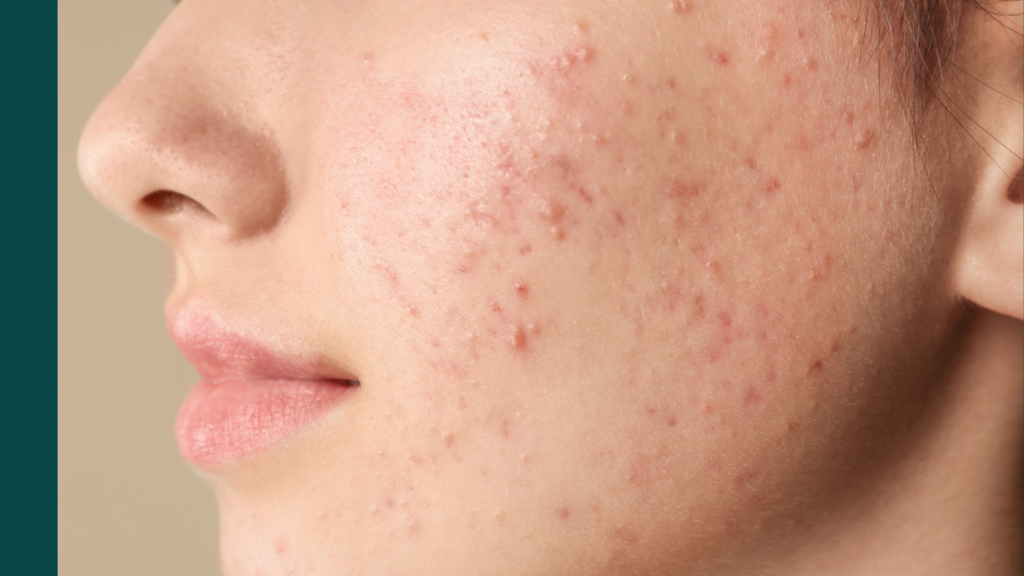
Acne marks (post-inflammatory hyperpigmentation) are flat discolourations — red, pink, or brown — left after inflammation resolves. They are temporary and fade with time and treatment. Acne scars are structural changes to the skin’s texture — depressions or raised areas — caused by collagen disruption during the healing process. They are permanent without intervention.
4. How do you treat hyperpigmentation on cheeks from acne?
Hyperpigmentation on cheeks from acne responds well to a combination of topical brightening agents (vitamin C, niacinamide, azelaic acid), chemical peels, and laser treatments such as Q-Switch or fractional laser. Consistent SPF use is non-negotiable, as UV exposure significantly worsens hyperpigmentation.
5. What is the cost of laser treatment for acne scar removal?
Laser scar removal cost in Delhi varies based on the technology used, the number of sessions required, the extent of scarring, and the clinic. At RasaDerm, treatment is always preceded by a consultation with Dr. Veenu Jindal, who designs a protocol specific to your scar type and skin — ensuring you invest in what will actually work for your skin, not a generic package.
6. How many sessions does laser acne scar treatment take?
Most patients require 4–8 sessions depending on scar severity, type, and skin tone. Significant improvement is typically visible from the third session onwards. Combining laser with complementary treatments like chemical peels or microneedling can reduce the total number of sessions needed.
7. Are home remedies effective for acne scars?
Home remedies can support mild fading of post-inflammatory hyperpigmentation, but they cannot address structural acne scars. Ingredients like vitamin C, aloe vera, and niacinamide have some evidence for brightening flat marks. For actual indented or textured scars, professional treatment is necessary.
UNDERSTANDING THE PROBLEM
Not All Acne Marks Are the Same — And That Changes Everything
Before discussing whether acne scars go away, it is essential to understand what kind of mark you are actually dealing with. The term ‘acne scar’ is often used loosely to describe several different skin changes — each with a distinct biological mechanism and a very different prognosis.
Post-Inflammatory Hyperpigmentation (PIH)
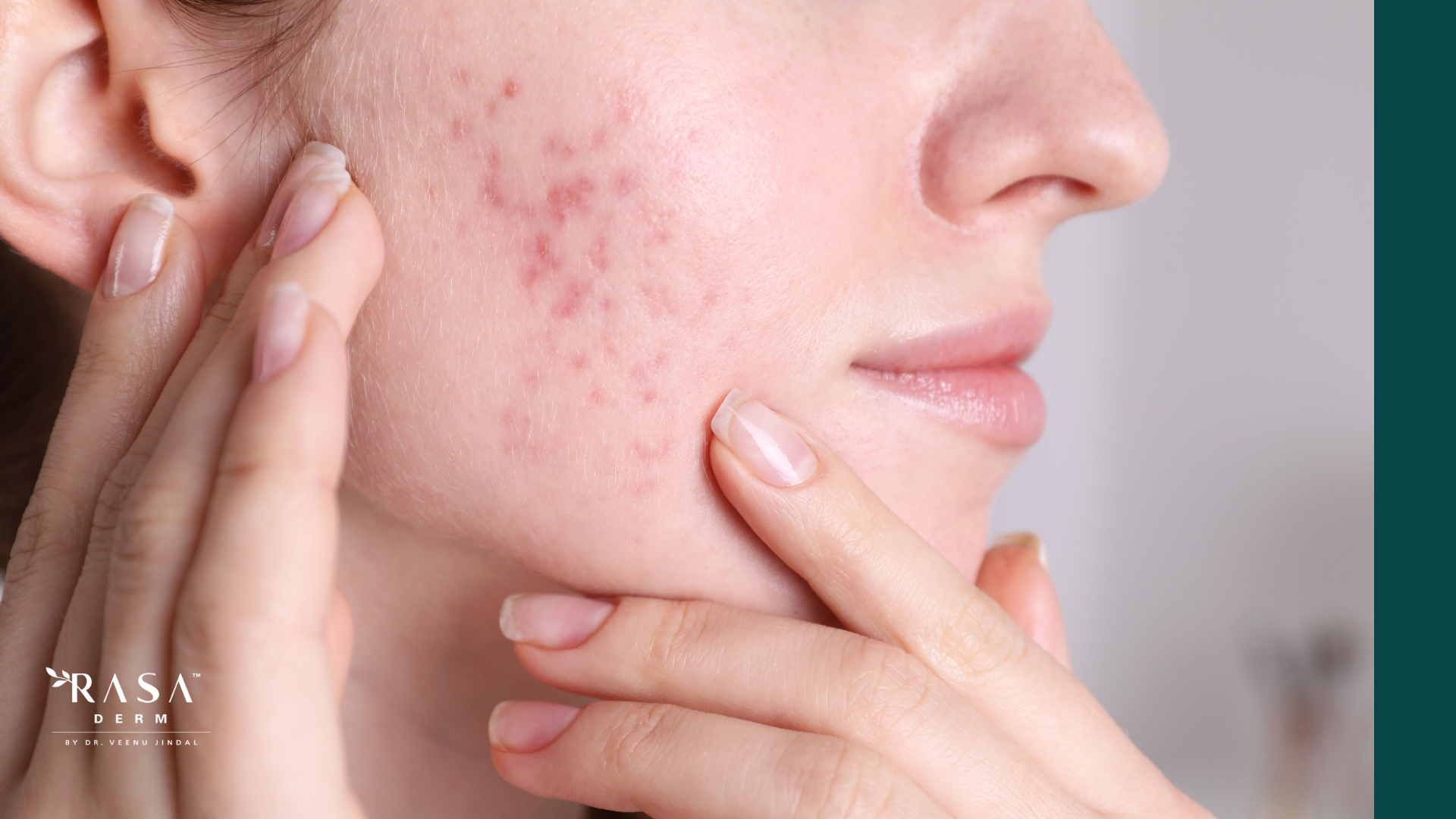
PIH is not a scar in the structural sense. It is a flat, discoloured patch — ranging from pink or red in lighter skin tones to brown or greyish in darker skin tones — left behind after the inflammation of a pimple resolves. It occurs because the healing process triggers excess melanin production in the affected area.
The good news: PIH is temporary. With consistent sun protection and appropriate topical or professional treatment, it can fade significantly over 3–12 months. Without sun protection, it can persist for years and deepen. For Indian skin, which has higher baseline melanin density, PIH tends to be more pronounced and slower to fade — making early intervention and disciplined SPF use especially important.
Post-Inflammatory Erythema (PIE)
PIE presents as flat red or pink marks, most visible in lighter skin tones. It results from dilated or damaged blood vessels in the dermis following inflammation. Like PIH, PIE is not a true structural scar and can improve over time — though it often benefits from targeted vascular laser treatment to accelerate resolution.
Atrophic Acne Scars — The Ones That Don’t Go Away
Atrophic scars are the true structural scars — depressed areas in the skin caused by collagen destruction during severe or prolonged acne. There are three distinct types:
Ice Pick Scars: Deep, narrow, sharply defined holes in the skin surface — resembling puncture marks. They penetrate deep into the dermis and are among the most difficult to treat. Most common on the cheeks.
Boxcar Scars: Wider, round or oval depressions with defined vertical edges. They occur when acne destroys collagen beneath the skin surface, leaving a sunken crater. Respond well to fractional laser and subcision.
Rolling Scars: Broad, wave-like undulations in the skin caused by fibrous bands tethering the skin to deeper tissue. They give the skin an uneven, bumpy appearance. Subcision combined with laser treatment is particularly effective.
Hypertrophic and Keloid Scars
Less common in acne, these are raised scars formed when the body produces excess collagen during healing. Hypertrophic scars stay within the original wound boundary; keloids extend beyond it. They require specific treatment approaches distinct from atrophic scar protocols.
The core distinction that matters clinically: PIH and PIE can improve on their own with time and sun protection. Atrophic acne scars — ice pick, boxcar, rolling — will not resolve without professional intervention. They involve permanent collagen loss that the skin cannot reverse through its natural healing process alone.
HOME REMEDIES
What Home Remedies Can and Cannot Do for Acne Scars
Home remedies for acne scar treatment are widely discussed online, and some have genuine merit — with important caveats about what they can realistically achieve.
What May Help
- Vitamin C Serum: A well-formulated vitamin C serum inhibits melanin synthesis and provides antioxidant protection, making it genuinely effective for fading PIH over time. It does not address textural or structural scars.
- Niacinamide: Has solid clinical evidence for reducing hyperpigmentation, refining pores, and improving overall skin tone. A good supporting ingredient for managing acne marks, particularly for Indian skin tones.
- Aloe Vera: Contains aloesin, which has mild melanin-inhibiting properties. Safe and soothing; useful for mild brightening and maintaining skin barrier health post-treatment.
- Azelaic Acid: Available in OTC concentrations, azelaic acid has both anti-inflammatory and depigmenting properties. Particularly useful for PIH associated with acne-prone skin.
- Broad-Spectrum SPF: Not glamorous, but possibly the most impactful thing you can do at home. UV exposure is the number one reason PIH worsens and persists. SPF 30 or higher applied every morning — without fail — can dramatically accelerate the fading of acne marks.
What Will Not Work
Lemon juice, toothpaste, baking soda, and raw potato are among the most circulated home remedies for acne scars. All of them are either ineffective or actively harmful — causing irritation, dryness, or chemical burns that worsen post-inflammatory pigmentation. No ingredient you can apply at home will rebuild lost collagen or fill an atrophic scar depression.
The honest summary: home care is genuinely useful for maintaining skin health and supporting mild fading of flat pigmentation marks. It is not a treatment for acne scars. The further your concern sits from the surface — structurally, in terms of collagen loss — the less home remedies can do.
PROFESSIONAL TREATMENT
Acne Scar Treatments That Actually Work — And Why
Professional acne scar treatment works by doing what the skin cannot do on its own: removing damaged tissue, stimulating new collagen production, or resurfacing the skin at a controlled depth to create a more even surface. At RasaDerm, Dr. Veenu Jindal designs a treatment protocol based on scar type, skin tone, and the extent of concern — because the right treatment for rolling scars is not the same as the right treatment for ice pick scars or hyperpigmentation.
1.Q-Switch Laser
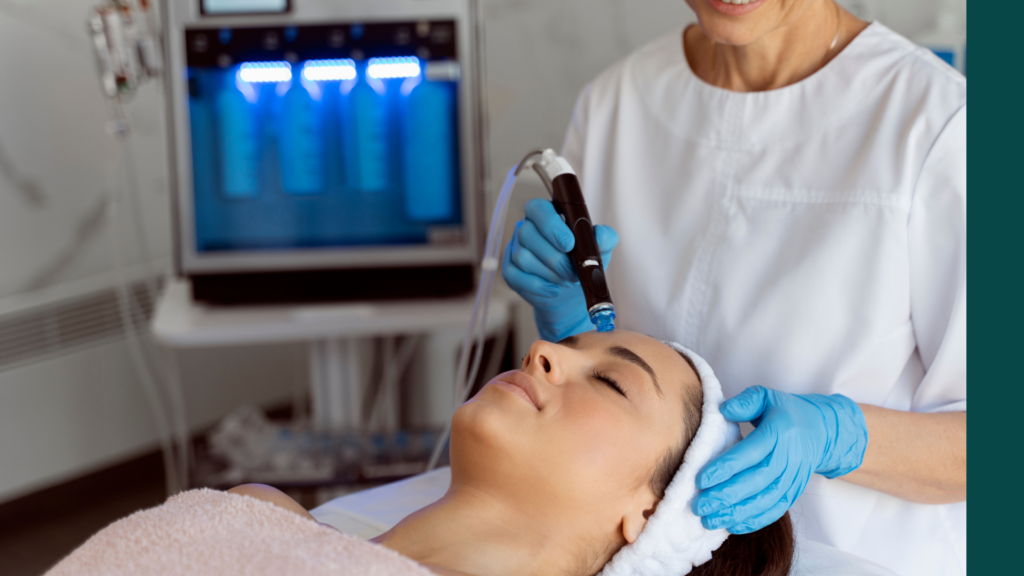
Q-Switch laser delivers ultra-short pulses of targeted light energy at specific wavelengths that are selectively absorbed by melanin. This makes it the gold standard for treating post-inflammatory hyperpigmentation and flat acne marks — particularly on Indian skin, where PIH tends to be deeper and more stubborn.
The Q-Switch also triggers a controlled inflammatory response that stimulates collagen remodelling over time, making it useful for mild textural improvement alongside pigmentation correction. At RasaDerm, Q-Switch laser parameters are calibrated specifically for each patient’s Fitzpatrick type — critical for darker Indian skin tones where the risk of paradoxical hyperpigmentation is real when treatment is not personalised.
Best for: Post-inflammatory hyperpigmentation, flat acne marks, overall skin tone improvement, mild textural enhancement.
2.ClearLift Pro Laser
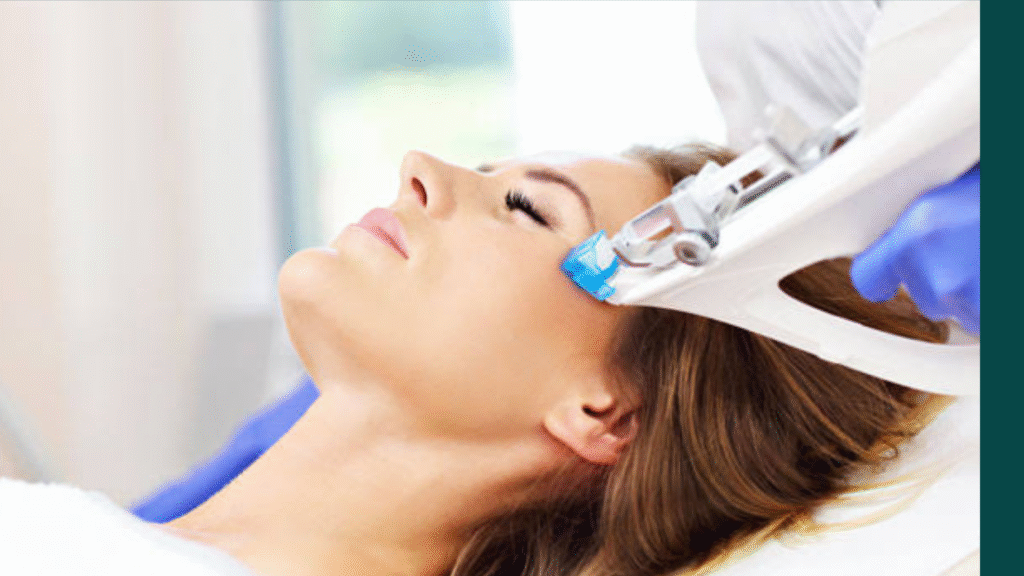
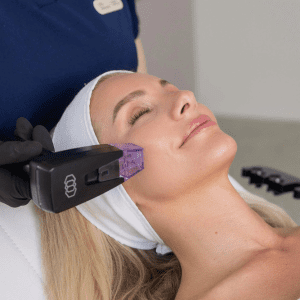
ClearLift Pro is a non-ablative, fractional Q-Switched laser that delivers energy in fractional columns deep into the dermis — making it especially effective for acne scars that sit in the deeper skin layers. Unlike ablative lasers that remove the surface, ClearLift Pro works beneath it, creating controlled micro-injuries that trigger significant collagen remodelling without damaging the epidermis.
This translates to a compelling clinical profile for Indian skin: meaningful scar improvement with minimal risk of post-treatment hyperpigmentation, no significant peeling, and virtually no downtime. Patients typically experience mild redness for a few hours. ClearLift Pro is particularly effective for boxcar and rolling scars, where dermal collagen remodelling is the primary mechanism needed. It also improves overall skin quality, reduces pore size, and softens fine lines — making each session a broad-spectrum rejuvenation.
Best for: Boxcar scars, rolling scars, general textural improvement, skin rejuvenation — all skin types including darker Indian skin tones.
3.Chemical Peels for Acne Scars
Clinical chemical peels use medical-grade acids to exfoliate the skin at a controlled depth, accelerating cell turnover, clearing pigmented surface cells, and stimulating collagen production in the dermis. The type and depth of peel — superficial, medium, or deep — is chosen based on scar severity, skin type, and the specific concern being addressed.
For PIH and mild textural scarring, a series of superficial to medium peels delivers visible brightening and smoothing. Peels are frequently combined with laser treatments for comprehensive acne scar protocols — the peel addresses surface pigmentation while laser works on deeper structural changes. At RasaDerm, peel formulations and concentrations are selected by Dr. Veenu for each patient’s skin — particularly important for Indian skin, which requires careful acid selection to avoid triggering post-peel hyperpigmentation.
Best for: Post-inflammatory hyperpigmentation, mild acne scarring, uneven skin texture, active acne-prone skin as a maintenance treatment.
4. Alma Harmony Laser Platform
The Alma Harmony is a multi-technology laser and light platform that allows Dr. Veenu to address acne scars, pigmentation, and overall skin quality within a single advanced system. Its versatility — combining IPL, fractional laser, and Nd:YAG capabilities — means it can be configured specifically for the combination of concerns most patients present with: active pigmentation alongside textural scarring alongside pore enlargement.
The Harmony platform is particularly valuable for patients with complex or mixed acne scarring — multiple scar types in the same area — where a single-modality approach would be insufficient. It also addresses the vascular component of post-inflammatory erythema (the red marks) that pure pigmentation lasers do not target.
Best for: Mixed scar types, PIH and PIE simultaneously, overall skin rejuvenation, patients with both pigmentation and textural concerns.
A note on combination protocols: the most effective acne scar treatment is rarely a single modality. At RasaDerm, many patients benefit from a sequenced approach — for example, beginning with chemical peels to clear surface pigmentation, progressing to ClearLift Pro for collagen remodelling, and using Q-Switch maintenance sessions to sustain overall tone improvement. Dr. Veenu designs this sequence based on your specific scar map and skin behaviour.
A NOTE ON INDIAN SKIN
Why Acne Scar Treatment Must Be Personalised for Indian Skin
Indian skin — primarily Fitzpatrick types III through V — has specific characteristics that profoundly affect both how acne scars develop and how they should be treated. Higher baseline melanin density means the skin is more reactive to inflammation, more prone to post-inflammatory hyperpigmentation, and more susceptible to treatment-induced pigmentation if the wrong laser settings or acid concentrations are used.
This is why laser pimple scar removal is not a one-size-fits-all procedure, and why the technology and operator expertise matter as much as the treatment category itself. Aggressive ablative lasers that deliver excellent results on lighter skin tones can cause significant hyperpigmentation on darker Indian skin. Non-ablative approaches like ClearLift Pro, carefully calibrated Q-Switch protocols, and skin-type-specific peel formulations are significantly safer — and equally effective when designed correctly.
At RasaDerm, Dr. Veenu Jindal’s clinical training and extensive experience with Indian skin tones is central to every acne scar treatment protocol. No session begins without a thorough assessment of skin type, current pigmentation, and how the skin has responded to previous treatments or sun exposure.
COMMON MISCONCEPTIONS
Acne Scar Myths Worth Addressing
MYTH 1
“If I wait long enough, all my acne scars will fade.”
THE TRUTH
Flat marks — PIH and PIE — do fade with time and sun protection. Structural scars (ice pick, boxcar, rolling) involve collagen loss that the skin cannot reverse on its own, regardless of how long you wait. Waiting often means the scars become more entrenched and require more intensive treatment to address.
MYTH 2
“Home remedies like lemon juice and turmeric can remove acne scars.”
THE TRUTH
Some home ingredients — vitamin C, niacinamide, azelaic acid — have evidence for mildly fading hyperpigmentation over time. Lemon juice and baking soda, frequently recommended online, are more likely to cause irritation and worsen pigmentation than improve it. No home remedy can fill a depressed scar or rebuild lost collagen.
MYTH 3
“Laser treatment for acne scars is too harsh for Indian skin.”
THE TRUTH
This was a valid concern with older ablative laser systems. Non-ablative and fractional systems like ClearLift Pro, when calibrated for Indian skin by a trained dermatologist, are safe and effective across all Fitzpatrick types. The risk lies not in laser treatment itself but in using the wrong system or settings for your skin type — which is precisely why who performs your treatment matters as much as what treatment you receive.
MYTH 4
“One laser session will be enough.”
THE TRUTH
Acne scar treatment — particularly for structural scars — works through progressive collagen remodelling. Results build over multiple sessions and continue to improve for weeks to months after the final session as new collagen matures. A complete protocol of 4–8 sessions produces significantly better outcomes than isolated treatments.
MYTH 5
“Expensive products with retinol and acids can replace professional treatment.”
THE TRUTH
Prescription-strength retinoids and well-formulated active serums are genuinely useful for managing PIH, improving skin texture over time, and maintaining results between professional sessions. They cannot, however, replicate the targeted collagen remodelling or controlled resurfacing that clinical laser treatments achieve. They are excellent companions to professional treatment — not substitutes for it.
What to Expect from Acne Scar Treatment at RasaDerm
Consultation: Every acne scar treatment journey at RasaDerm begins with a detailed consultation with Dr. Veenu Jindal. She maps your scar types, assesses skin tone and sensitivity, reviews any previous treatments, and designs a protocol — choosing the right sequence of modalities and the correct parameters for your specific skin.
Baseline Assessment: A patch test or small test area may be performed before the first full session, particularly for patients with highly reactive skin or very dark skin tones. This confirms correct settings and ensures there is no unexpected response.
Sessions: Most acne scar protocols involve 4–8 sessions spaced 3–6 weeks apart, depending on the treatment modality and how the skin is responding. Combination protocols may interleave different treatments across the schedule.
Between Sessions: Patients are given a specific at-home protocol — typically including a vitamin C serum, SPF, and gentle moisturiser — to support healing, maintain results, and prepare the skin for subsequent sessions. Sun avoidance is essential throughout.
Results: Many patients see initial improvement after 2–3 sessions. The most significant results emerge 4–6 weeks after the final session, as collagen remodelling continues. Results are long-lasting with proper sun protection and maintenance.
IN SUMMARY
The Sooner You Address Acne Scars, the Better Your Outcome
The question isn’t really whether acne scars can go away on their own — some can, most structural ones cannot. The more useful question is: what is the most efficient and safe path to the skin you want?
Waiting is a choice with a cost. The longer atrophic scars remain, the more entrenched the collagen changes become. The longer PIH is exposed to UV without protection, the deeper it sets. Early intervention — even a single consultation to understand what you are dealing with — almost always produces faster, more complete results.
At RasaDerm, acne scar treatment is not a package or a procedure. It is a clinical protocol designed by Dr. Veenu Jindal for your specific skin, your specific scars, and your specific goals — using the right combination of Q-Switch laser, ClearLift Pro, chemical peels, and the Alma Harmony platform to deliver results that are both meaningful and safe for Indian skin tones.