
Have you ever felt that your ponytail isn’t as thick as it used to be? Or noticed more of your scalp showing through your hair parting? Perhaps your hair looks flat, lacks volume, or simply doesn’t feel as dense as it once did.
You’re not alone.
Hair thinning is one of the most common concerns dermatologists see, particularly among women. And while the internet is full of suggestions involving miracle oils, DIY masks and expensive hair-growth shampoos, the truth is that improving hair density requires a little more understanding.
The first thing to know is that hair thickness and hair density are not the same thing.
Hair thickness refers to the diameter of individual hair strands, whereas hair density refers to the number of hair follicles growing within a particular area of your scalp.
So, can you thicken your hair naturally? Absolutely, certain lifestyle and hair-care changes can help improve hair health, reduce breakage and support healthy growth. However, if you’re experiencing actual hair loss, identifying the underlying cause is equally important.
Let’s explore what really works, with a dermatologist’s perspective.
1. Start With Your Diet: Healthy Hair Begins From Within
One of the most overlooked reasons behind thinning hair is inadequate nutrition.
Your hair follicles require a consistent supply of nutrients to support their growth cycle. If your diet lacks sufficient protein, iron, zinc or other essential nutrients, you may notice increased shedding and weaker hair.
Here are some foods worth including in your everyday diet.
Protein-rich foods
Hair is primarily made of a protein called keratin. Without adequate dietary protein, your body may struggle to support normal hair growth.
Include:
- Eggs (if you consume them).
- Paneer and Greek yoghurt.
- Lentils, chickpeas and rajma.
- Soybeans and tofu.
- Nuts and seeds.
Iron-rich foods
Iron helps red blood cells transport oxygen throughout the body, including to tissues that support hair growth.
Good dietary sources include:
- Spinach and other leafy greens.
- Lentils and beans.
- Pumpkin seeds.
- Sesame seeds.
- Iron-fortified foods.
Pair plant-based iron sources with vitamin C-rich foods such as amla, oranges, guava or lemon to improve iron absorption.
Zinc and healthy fats
Zinc plays a role in normal tissue growth and repair, while essential fatty acids support overall skin and scalp health.
Add almonds, walnuts, pumpkin seeds, flaxseeds and chia seeds to your diet.
Dermatologist’s tip: Eating more hair-growth foods can support healthy hair, but they won’t necessarily reverse genetic hair thinning. Correcting a nutritional deficiency is what makes the difference when a deficiency is contributing to hair loss.
2. Take Care of Your Scalp, Not Just Your Hair
We spend so much time choosing shampoos, conditioners and hair masks that we often forget about the scalp.
Your scalp is where your hair follicles live. Maintaining a clean, healthy scalp is an important part of a good hair-care routine.
A few simple habits can help:
- Wash your scalp regularly with a gentle shampoo.
- Avoid allowing excessive oil, sweat and product buildup to accumulate.
- Use a conditioner after shampooing to reduce friction and breakage.
- Avoid scratching or aggressively rubbing your scalp.
- Seek treatment for persistent dandruff, itching or inflammation.
Remember, a healthy scalp creates a better environment for hair growth, but washing or exfoliating your scalp excessively will not create new follicles.
3. Be Gentle With Your Hair
Sometimes, what looks like hair thinning is actually excessive hair breakage.
Frequent heat styling, chemical treatments, tight hairstyles and aggressive brushing can weaken the hair shaft, making your hair appear thinner over time.
Try these simple changes:
- Avoid excessively tight ponytails and buns.
- Limit frequent straightening and curling.
- Use a heat protectant before styling.
- Detangle gently, starting from the ends.
- Avoid brushing wet hair aggressively.
- Reduce frequent chemical straightening and bleaching.
A simple change in your everyday hair-care routine can make a noticeable difference to the appearance and manageability of your hair.
4. Does Oiling Help Increase Hair Thickness?
Let’s talk about one of India’s favourite hair-care traditions: champi!
Hair oiling can help condition hair, reduce dryness and minimise friction-related breakage. Certain oils, such as coconut oil, may also help reduce protein loss from the hair shaft.
However, there is an important distinction.
Hair oil cannot magically increase the number of hair follicles on your scalp.
It may improve the appearance and feel of your hair, but it isn’t a proven treatment for genetic hair loss or significant hair thinning.
If you enjoy oiling your hair, keep it gentle and choose a product that suits your scalp. Avoid aggressive massages, particularly if your hair is already fragile.
5. Don’t Ignore Stress and Sleep
Have you noticed increased hair fall after a particularly stressful few months?
There is a reason for that.
Physical or emotional stress can trigger a condition called telogen effluvium, where more hair follicles than usual enter the resting phase of the hair cycle. This can lead to noticeable shedding, sometimes a few months after the triggering event.
Other triggers include:
- High fever or significant illness.
- Surgery.
- Rapid weight loss.
- Childbirth.
- Nutritional deficiencies.
- Certain medications.
Maintaining a balanced lifestyle, getting adequate sleep and avoiding crash diets can help support normal hair health.
If you’re experiencing persistent shedding, don’t simply assume stress is the cause. Get it evaluated.
6. Are Hair Growth Supplements Really Necessary?
Walk into any pharmacy or browse online, and you’ll find plenty of supplements promising thicker, longer and stronger hair.
Biotin, iron, zinc, collagen and multivitamins are some of the most popular options.
But here’s something worth remembering: more supplements do not automatically mean more hair.
Supplements are most useful when a nutritional deficiency has been identified. Taking unnecessary supplements, particularly excess vitamin A, vitamin E or selenium, can actually contribute to hair loss.
A dermatologist may recommend blood investigations depending on your symptoms and medical history. These may include tests for iron status, thyroid function or specific nutritional deficiencies.
Don’t start supplements blindly. Your hair deserves a diagnosis, not guesswork.
7. When Natural Remedies Are Not Enough: Dermatologist-Approved Hair Treatments
Sometimes, eating well, improving your hair-care routine and managing stress aren’t enough.
This is particularly true when hair thinning is related to genetics, hormonal changes or an underlying medical condition.
Depending on the diagnosis, a dermatologist may recommend:
Minoxidil
Minoxidil is a clinically established treatment for certain types of hair loss, including female and male pattern hair loss. It helps support hair growth and may improve hair density over time.
It requires consistent use, and results generally take several months. It isn’t suitable for everyone, so consult your dermatologist before starting.
PRP and GFC Hair Treatments
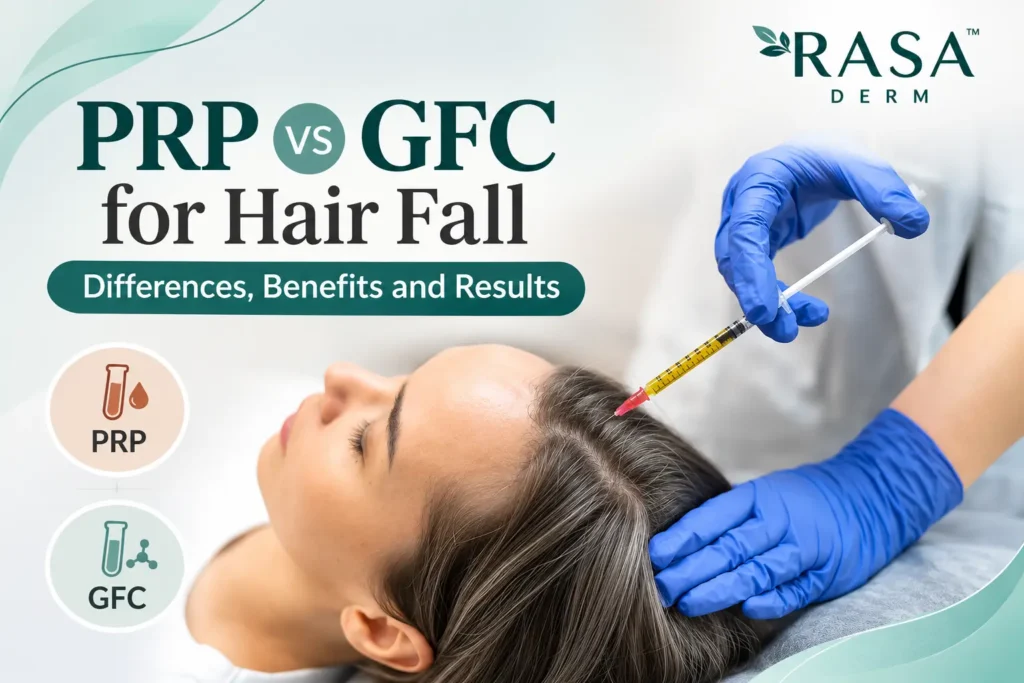
Platelet-rich plasma (PRP) and Growth Factor Concentrate (GFC) are regenerative treatment approaches that use components derived from your own blood.
They may be considered in selected patients experiencing hair thinning, depending on the diagnosis and clinical assessment.
Results vary, and neither treatment guarantees regrowth.
Exosome-Based Hair Treatments
Exosome-based treatments are an emerging area of hair restoration. Although research is ongoing, their effectiveness and long-term safety for hair loss are not yet established sufficiently to consider them a proven routine treatment.
Your dermatologist can help you understand which options are appropriate and which claims need more evidence.
8. When Should You See a Dermatologist for Hair Thinning?
Not every strand of hair falling out is a reason to panic. Losing approximately 50–100 hairs daily can be part of the normal hair cycle.
However, certain changes deserve attention:
- Your hair parting is becoming wider.
- Your ponytail feels noticeably thinner.
- You can see more of your scalp than before.
- You’re experiencing excessive or persistent shedding.
- You notice bald patches.
- Your scalp feels itchy, painful or inflamed.
Early evaluation can make a significant difference, especially in conditions where delaying treatment may lead to progressive hair loss.
A dermatologist may examine your scalp using a dermatoscope and recommend relevant blood tests to identify the underlying cause.
Final Thoughts: Thicker Hair Is About More Than Just Hair Products
If you’re wondering how to thicken hair naturally, start with the basics: nourish your body, eat enough protein, look after your scalp, avoid excessive styling and maintain a healthy lifestyle.
But don’t overlook persistent hair thinning.
Natural remedies can support hair health, but they cannot replace medical treatment when there’s an underlying condition affecting your follicles.
At RasaDerm, we believe that every hair concern deserves an individual approach. Whether you’re dealing with excessive hair fall, reduced hair density or gradual thinning, the first step is understanding what’s happening beneath the surface.
Because better hair starts with understanding your scalp, not chasing another miracle product.
Book a dermatologist consultation at Rasa Derm and take the first step towards healthier, stronger-looking hair.