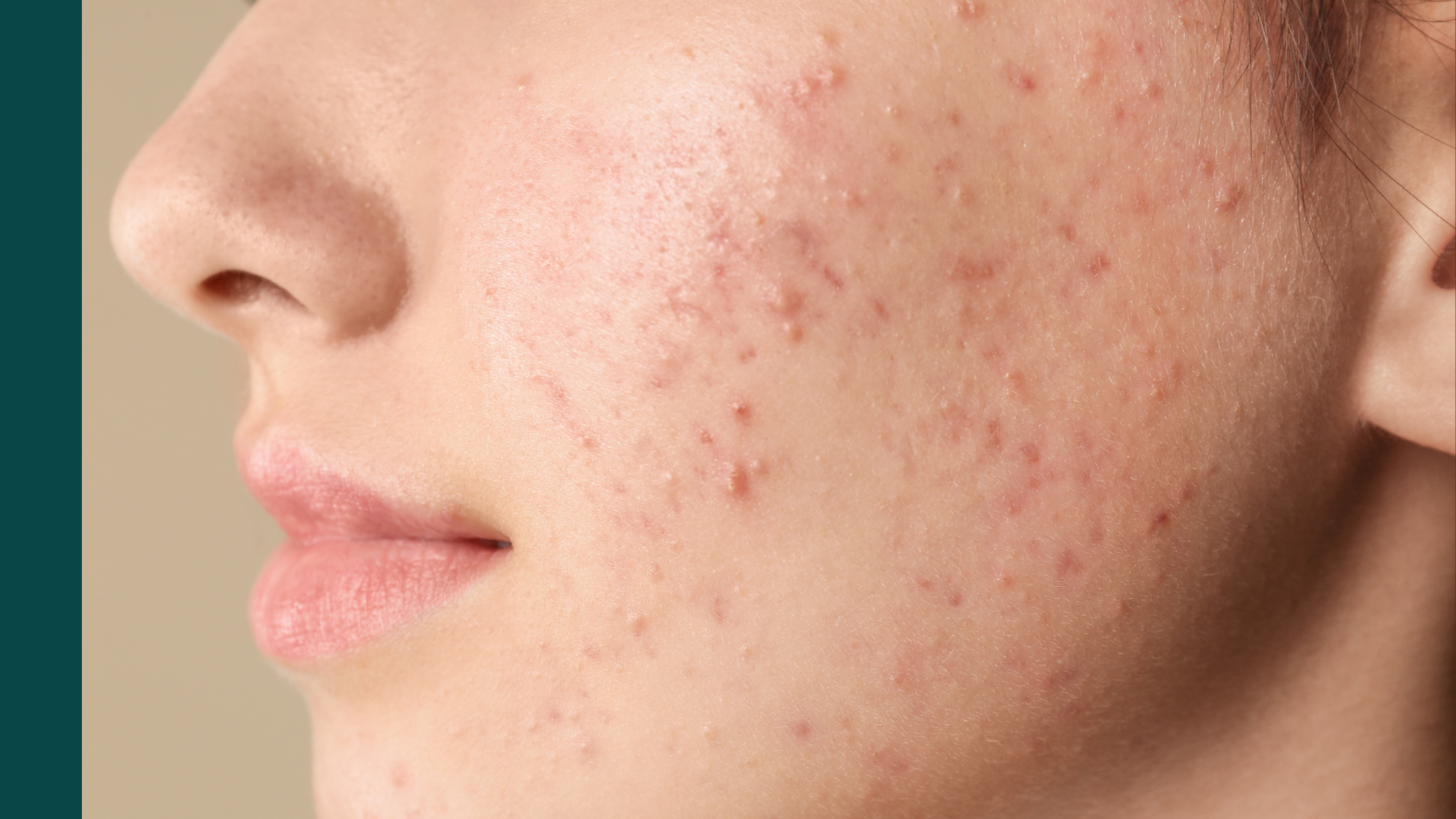
Your acne healed. The marks didn’t.
Almost every week, someone sits across from me at RasaDerm and says the same thing: “My acne is gone, but my skin still doesn’t feel like mine.” They’ve tried the serums and the home remedies, and the scars are still there in the bathroom mirror light.
What I tell them is that there’s no single best treatment for acne scars. There’s only the best treatment for your scars. An ice pick scar and a rolling scar are built differently under the skin, so they need different tools.
In this guide, I’ll walk you through the seven acne scar treatments I trust most in clinic, which scar type each one suits, and what to realistically expect from sessions, downtime and cost.
— Dr. Veenu Jindal, Founder & Lead Dermatologist, RasaDerm
First, know your scar type
When acne inflames deep in the skin, it damages collagen. If the skin rebuilds too little collagen, you get a dip, which is an atrophic or pitted scar. If it rebuilds too much, you get a bump, which is a raised scar. Most people I see have two or three types at once.
Ice pick scars are narrow, deep holes, as if the skin was pricked with a needle, and they’re common on the cheeks. Boxcar scars are wider, U-shaped dents with sharp edges that often show up on the temples and cheeks. Rolling scars are soft, wave-like dips that make the skin look uneven in side lighting, caused by bands of tissue pulling the skin down from underneath.
On the other end are hypertrophic and keloid scars. These are raised, firm scars, more common on the jawline, chest and back. Then there are post-acne marks, the flat brown or red patches known as PIH and PIE. Technically they aren’t scars, but in Indian skin they’re often the biggest concern. Knowing your mix matters, because treatments for pitted scars and raised scars work in opposite directions.
The 7 best treatments for acne scars
1. Subcision: the fix for rolling scars
Rolling scars are tethered. Fibrous bands pull the skin down from underneath, so no laser on the surface can fully lift them. In subcision, I use a fine needle to gently release those bands under local anaesthesia. The skin springs back up, and the small bleed underneath triggers fresh collagen. Expect mild bruising for 5 to 7 days. It’s one of the most underrated treatments for deep acne scars.
2. TCA CROSS: precision for ice pick scars
Ice pick scars are too narrow and deep for most devices to reach. With TCA CROSS, a high-strength acid is placed only inside each scar with a fine applicator. Over a few sessions, the walls of the scar rebuild from the base up. It’s slow, careful work, but nothing else treats ice picks as precisely.
Also Read: Acne Scar Treatment in Delhi at Rasaderm
3. Microneedling radiofrequency (MNRF)
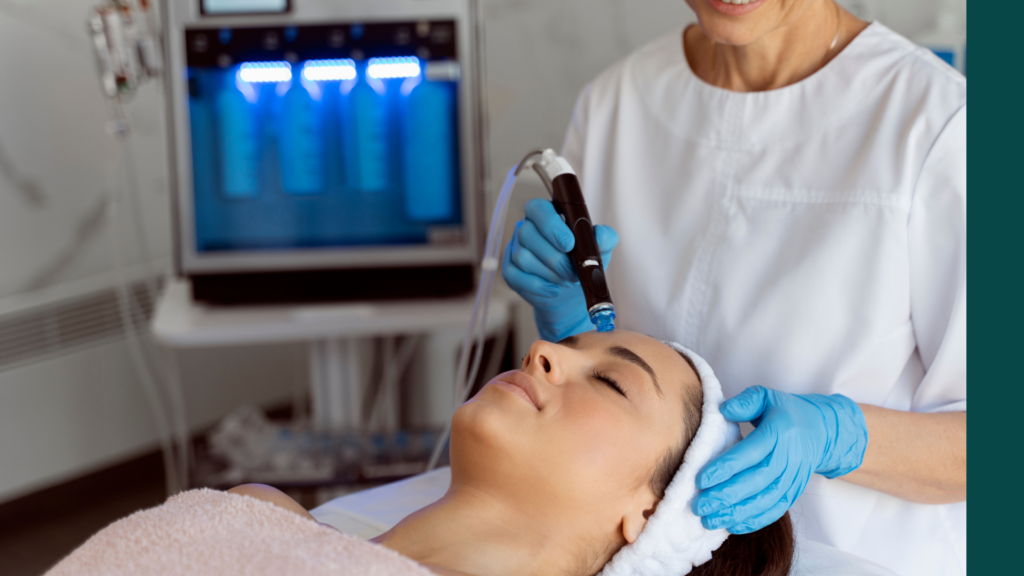
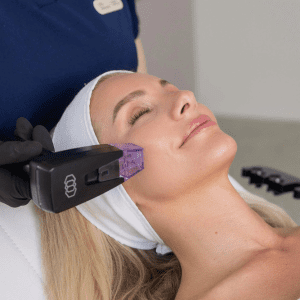
MNRF delivers controlled heat through tiny needles into the deeper skin, while the surface stays largely intact. That makes it one of the safest treatments for atrophic acne scars on Indian skin, with a lower risk of pigmentation than aggressive lasers. It works well for boxcar and shallow rolling scars. Most people need 3 to 5 sessions, spaced 4 to 6 weeks apart, with 2 to 3 days of redness after each.
4. Fractional laser resurfacing
Fractional lasers create thousands of microscopic columns of controlled injury, and the skin heals with new collagen and smoother texture. At RasaDerm, we use the iPixel Er:YAG fractional laser, which resurfaces with less heat than traditional CO2. That means quicker healing and a gentler profile for darker skin tones. It’s best for boxcar scars and overall texture, and downtime is usually 4 to 7 days of redness and fine flaking.
5. Medical-grade chemical peels
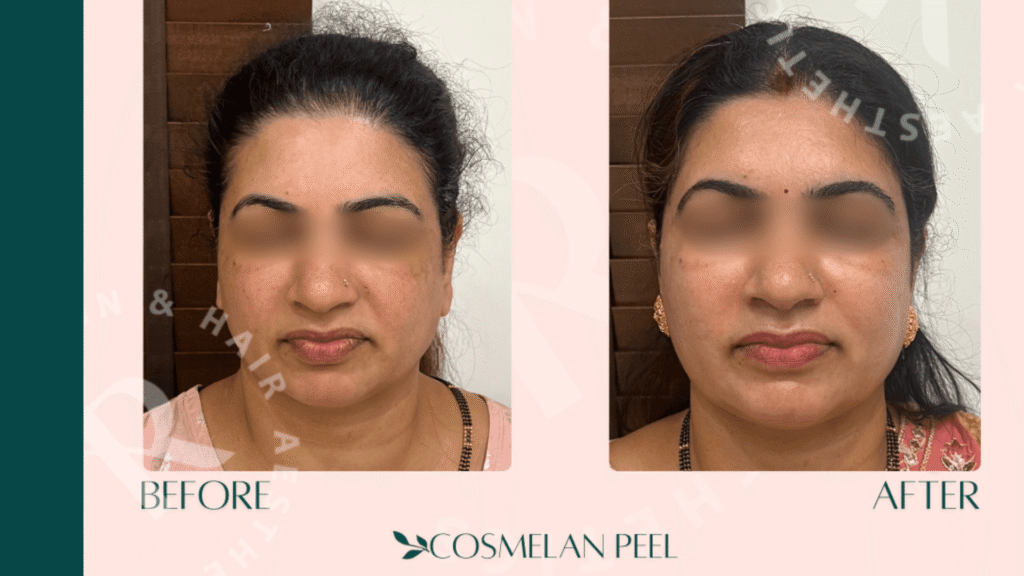
Peels won’t fill a deep scar. For superficial scarring, uneven texture and the brown marks acne leaves behind, though, they’re excellent. I often use them between laser or MNRF sessions to keep pigmentation in check. Recovery ranges from no downtime to a few days of light peeling.
6. Dermal fillers
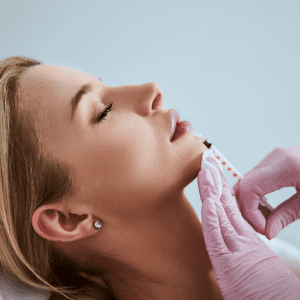
Some scars are really volume loss. Hyaluronic acid fillers lift a depressed scar to the level of the surrounding skin in a single sitting. Collagen stimulators like Sculptra rebuild volume more gradually over months. Dermal Fillers are ideal for deep rolling scars, especially after subcision.
7. Combination therapy with PRP
This is where the real results happen. Platelet-rich plasma is prepared from your own blood and carries growth factors that speed healing and improve collagen quality. I pair it with MNRF, lasers or subcision. In my experience, a staged combination plan beats any single treatment for mixed scars.
Acne scar treatment by type
If you have ice pick scars, TCA CROSS is usually the starting point, followed by MNRF or a fractional laser to smooth the surrounding skin.
Boxcar scars respond best to fractional laser or MNRF, with TCA CROSS used on the deeper edges. Rolling scars need to be released first with subcision, then lifted with fillers where needed and refined with MNRF.
Raised scars go the other way. Hypertrophic and keloid scars are flattened with steroid injections, silicone and vascular laser. Brown or red post-acne marks fade best with chemical peels, targeted topicals and strict daily sunscreen.
One rule comes before any of this: active acne must be under control first. Treating scars while new breakouts keep forming is like repainting a wall that’s still leaking.
Acne scar treatment cost in Delhi
Cost depends on your scar types, how many areas we treat, and how many sessions you need. As a general guide in Delhi, single sessions of peels or TCA CROSS sit at the lower end. MNRF, fractional laser and subcision fall in the mid range. Fillers sit at the higher end, since they’re priced per syringe.
Most people see visible improvement after 2 to 3 sessions and meaningful change over 4 to 6 months. Collagen keeps remodelling for months after your last session, so results keep quietly getting better.
I’d rather you invest in the right plan once than spend on the wrong treatment three times. That’s why every plan at RasaDerm starts with a consultation, and you get a clear, itemised quote before we begin.
Why a dermatologist-led plan matters
Indian skin heals beautifully when treated right and pigments easily when treated wrong. The same laser setting that works on lighter skin can leave dark patches on ours. So dermatologist-recommended acne scar treatment isn’t about the newest machine. It’s about matching the depth, the tool and the timing to your skin.
At RasaDerm, I map your scars in daylight and angled light and identify every type you have. Then I build a staged plan around your skin tone, your downtime and your calendar. If there’s a wedding or a big event coming up, we plan backwards from that date.
Your scars tell the story of what your skin went through. They don’t have to be the ending.
Book a scar mapping consultation with Dr. Veenu at RasaDerm, Ashok Vihar or Safdarjung.
Frequently asked questions
1. What is the best treatment for acne scars?
There’s no single best one. Subcision works best for rolling scars, TCA CROSS for ice pick scars, and fractional lasers or MNRF for boxcar scars. Most people get the best results from a combination.
2. Can acne scars be removed permanently?
Deep scars can’t be erased completely, but they can usually be improved significantly. Once remodelled, the new collagen is long-lasting.
3. Is laser safe for Indian skin?
Yes, as long as a dermatologist chooses the right laser and settings. Gentler fractional lasers and MNRF carry a lower pigmentation risk for medium to deep skin tones.
4. How many sessions will I need?
Usually 3 to 6, depending on scar depth and type. Treating deep acne scars often takes longer than surface work.
5. Do creams work on pitted acne scars?
Topicals like retinoids help with texture and marks, but they can’t lift a true pitted scar. That takes in-clinic treatment.