Patients describing “holes on face” left behind by old acne is one of the most common conversations I have in clinic — and one of the most emotionally loaded.
Unlike active breakouts, which patients know will eventually settle, these pitted marks feel permanent, and by the time most people come to see me, they’ve already tried a shelf full of creams and serums that were never going to touch them.
So let’s talk honestly about why acne holes form, why topical products alone don’t fix them, and what treatments actually make a visible difference.
What Are Acne Holes, Really?
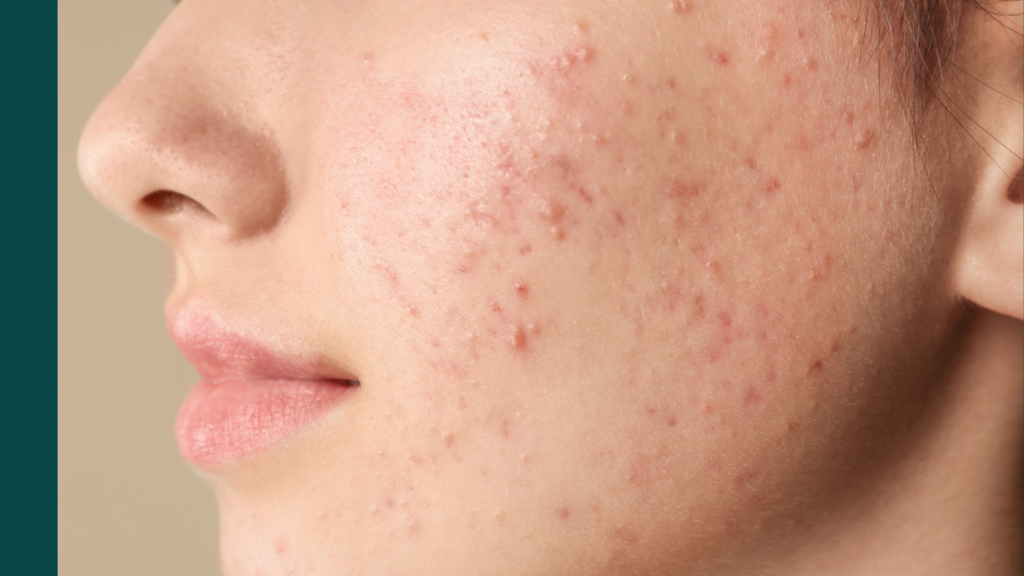
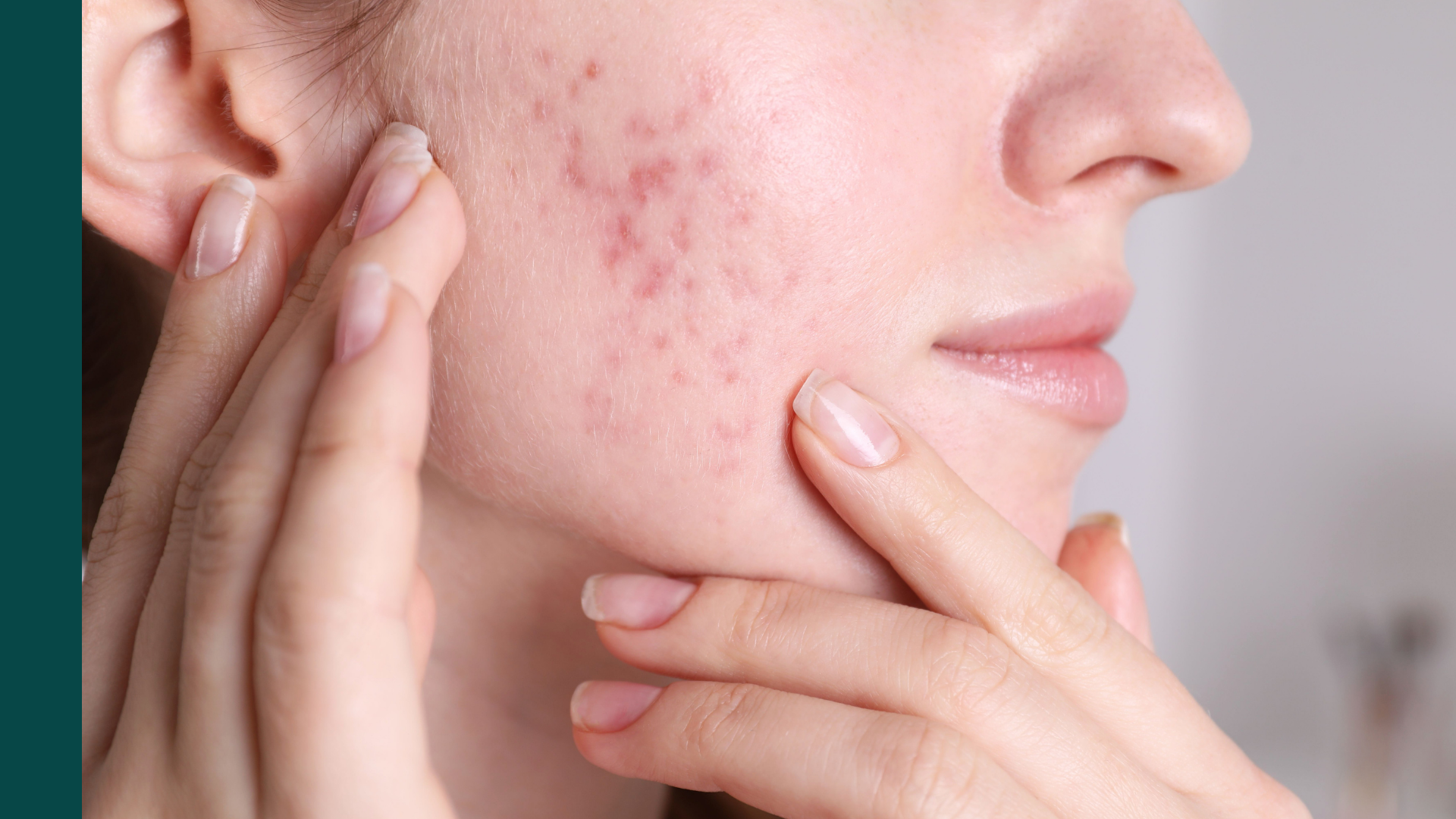
What patients call “holes in face from acne” are what we clinically refer to as atrophic or pitted acne scars.
They form when inflamed acne — particularly cystic or nodular breakouts — damages the collagen and structural tissue beneath the skin during the healing process.
Instead of the skin regenerating smoothly, it heals with a depression or indentation, because the body simply doesn’t rebuild enough collagen to fill the area back to its original level.
This is fundamentally different from acne marks or pigmentation, which are flat, discoloured patches that fade over time on their own.
Acne pits on face are a textural, structural change — the skin surface itself is uneven — which is exactly why creams marketed for “acne marks” rarely make a dent in true pitted scarring.
Why Acne Holes Occur
Not every breakout leaves a scar, and understanding why some do helps explain why prevention matters as much as treatment:
- Depth and severity of the original breakout — cystic and nodular acne, which sits deeper in the skin, causes far more collagen damage than surface-level pimples or blackheads
- Delayed or inadequate treatment — acne that’s left untreated or under-treated for longer periods has more time to damage surrounding tissue
- Picking, popping or squeezing — this is one of the single biggest contributors to scarring, since it forces inflammation deeper into the skin and disrupts the natural healing process
- Genetics — some people’s skin genuinely produces less collagen during healing, making them more scar-prone regardless of how they manage their acne
- Prolonged inflammation — the longer active acne persists without proper management, the greater the cumulative damage to skin structure
I always tell patients this isn’t about blame — most people didn’t do anything “wrong” to end up with pitted scarring.
But understanding your specific pattern does help guide which acne scar treatment approach will actually work for your skin.
Types of Pitted Acne Scars
Not all acne holes look or behave the same way, and treatment planning depends heavily on which type — or combination of types — you’re dealing with:
- Ice pick scars — narrow, deep, and sharply defined, often the most stubborn to treat
- Boxcar scars — broader, with sharply defined edges and a flat base, giving a punched-out appearance
- Rolling scars — broader with sloping edges, creating a wave-like unevenness in the skin rather than a sharp pit
Most patients actually have a mix of these, which is why a proper in-person assessment matters more than trying to self-diagnose from a mirror or a search engine.
Acne Holes Treatment: What Works
This is where I want to be direct with patients: deep acne scars need active, in-clinic treatment.
No cream, however well-marketed, rebuilds lost collagen or resurfaces textural scarring on its own. Here’s what we actually use, often in combination:
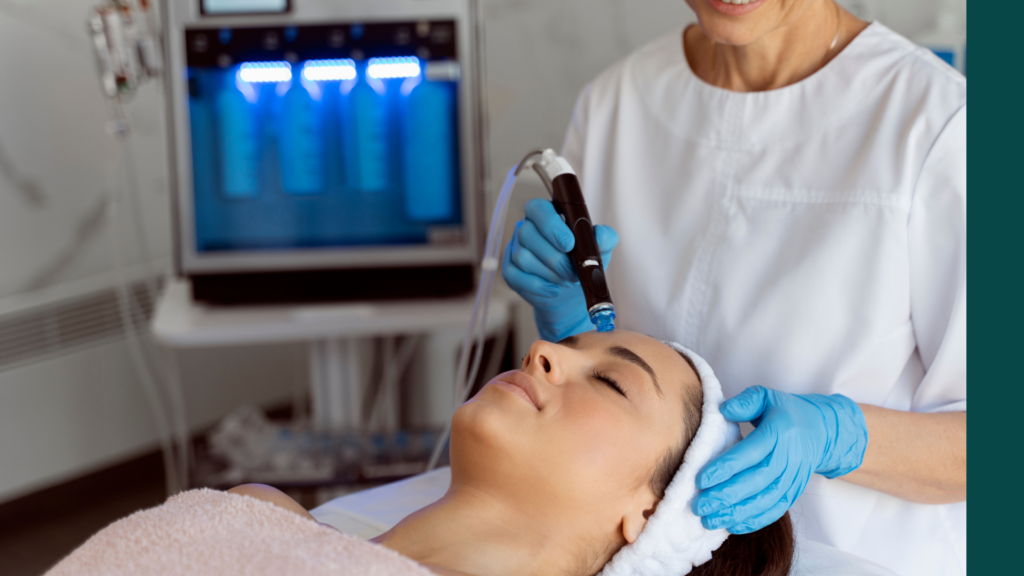
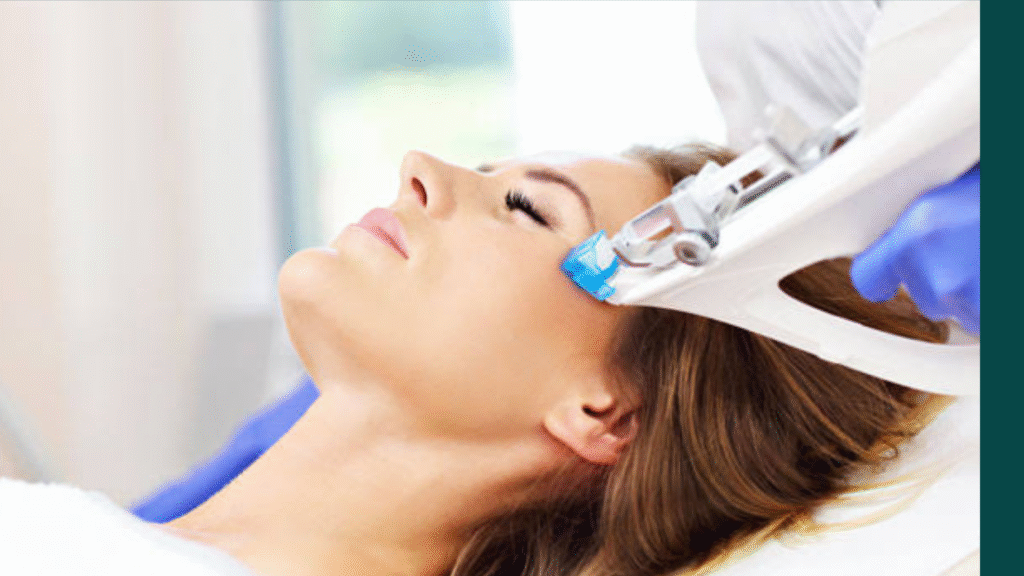
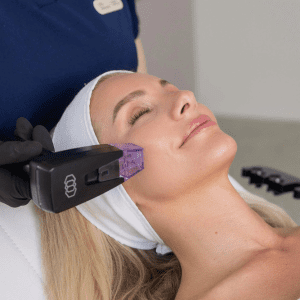
Microneedling (including RF microneedling)
Controlled micro-injuries trigger the skin’s own collagen production, gradually filling in atrophic scars over a course of sessions.
Radiofrequency microneedling adds heat energy for deeper stimulation, which works particularly well for rolling and boxcar scars.
Chemical peels (TCA CROSS technique)
For ice pick and select boxcar scars, a focused, high-concentration application of trichloroacetic acid directly into the scar stimulates targeted collagen remodelling without affecting the surrounding skin.
Laser resurfacing
Fractional lasers work by creating controlled zones of injury that prompt the skin to rebuild itself, smoothing texture and improving the appearance of scarring over a series of sessions.
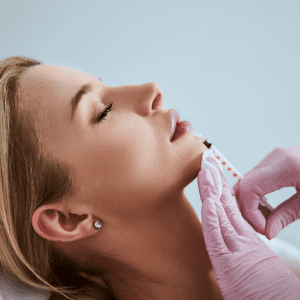
Dermal fillers
For rolling scars caused by tethering beneath the skin rather than true tissue loss, subcision combined with filler can lift and smooth the depressed area, often with visible improvement after a single session.
Subcision
A minor procedure that releases the fibrous bands tethering the base of a rolling scar to deeper tissue, allowing the skin to sit more evenly — often combined with microneedling or filler for best results.
The honest truth is that most patients need a combination of these, staged over several months, rather than a single treatment.
Severity, scar type, and skin type all factor into the plan, which is exactly why we build this out properly at consultation rather than offering a generic package.
How to Get Rid of Acne Holes: Setting Realistic Expectations
I’d be doing you a disservice if I promised acne holes disappear completely. What treatment realistically achieves is significant improvement — smoother texture, shallower depressions, and skin that looks and feels considerably better, often dramatically so with consistent treatment over time.
Deep, longstanding ice pick scars in particular may never reach 100% correction, but most patients see enough improvement that the scarring stops being the first thing they or anyone else notices.
Consistency matters more than any single session. Collagen remodelling is a gradual biological process — visible improvement typically builds over two to three months per treatment cycle, with cumulative results across a full course of sessions spaced several weeks apart.
Acne Holes Treatment Cost
Cost varies considerably depending on which combination of treatments your skin needs, the number of sessions required, the severity and type of scarring, and the specific technologies used.
A single microneedling or peel session is priced very differently from a comprehensive multi-modality plan combining subcision, filler, and laser resurfacing.
Rather than quote a misleading flat number, we assess your scarring pattern at consultation and give you a clear, itemised treatment plan and cost based on what your skin actually needs — not a one-size-fits-all package.
When to Start Treatment
If you’re dealing with acne scars holes and still experiencing active breakouts, the first priority is always getting the acne itself under control — treating scarring while acne is still active means you risk new scars forming even as you treat old ones.
Once your acne is stable, that’s the right time to begin a structured scar treatment plan.
Come in for a proper skin assessment, and we’ll map out exactly which scar types you’re dealing with and which combination of treatments will get you the most meaningful, lasting improvement.