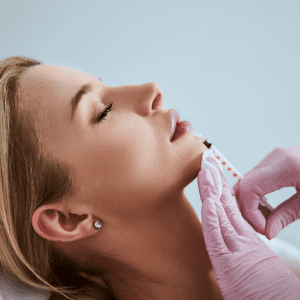
A question I get asked in almost every lip filler consultation, usually right after we’ve finalised the plan: “Okay, but what do I actually need to do afterward?” And it’s the right question to ask.
The injection itself is only half the story. How you prepare beforehand, and how you care for your lips in the days and weeks after, has a real, measurable impact on how smooth your recovery is, how good your final results look, and how long they actually last.
I’ve seen two patients get essentially the same treatment and end up with noticeably different results simply because one followed proper aftercare and the other didn’t.
So let’s walk through exactly what matters before you sit in the chair, and after you leave it.
Before Your Lip Filler Appointment
Good lip filler results start before the needle ever touches your lips.
Avoid blood-thinning substances for about a week prior. Alcohol, aspirin, ibuprofen, fish oil, and vitamin E supplements all increase bruising and swelling risk. If you’re on a prescribed blood thinner, that’s a conversation to have with your doctor first, not something to stop on your own.
Stay well hydrated in the days leading up to your appointment. Hydrated tissue tends to respond more predictably to filler and can support smoother swelling patterns afterward.
Avoid scheduling around a major event. Swelling is a normal, expected part of the process, and it peaks in the first 24 to 48 hours. I always tell patients: if you have a wedding, a big event, or important photos coming up, book your appointment at least two weeks ahead, not two days.
Come in with clean, product-free lips. Skip lipstick or heavy lip balm on the day of treatment to reduce any risk of irritation at the injection site.
What to Expect During Lip Filler Recovery
Immediately after treatment, some swelling, tenderness, and mild bruising are completely normal. This is your tissue responding to both the filler and the injection process itself, not a sign that anything’s gone wrong.
Swelling typically peaks around day one or two and settles significantly by day three to five, though full settling can take up to two weeks in some patients.
It’s worth knowing this upfront because a lot of the “I don’t like how this looks” anxiety I hear from patients happens in that first 24-48 hour window, when lips genuinely look larger and more uneven than they will once swelling resolves.
I always encourage patients to hold off judging their final results until at least the one-to-two-week mark.
Managing Lip Filler Swelling
Swelling is the part of recovery patients ask about most, so here’s what actually helps:
Ice, gently, in the first 24 hours. Wrap ice in a soft cloth and apply in short intervals never directly on the skin, and never for extended periods, as too much cold can affect circulation to the treated area.
Sleep with your head slightly elevated for the first couple of nights. This helps reduce fluid pooling in the lip tissue overnight, which is often why swelling looks worse first thing in the morning.
Avoid heat — hot showers, saunas, steam rooms, and intense sun exposure for at least 48 hours, since heat increases blood flow to the area and can prolong swelling and bruising.
Skip strenuous exercise for 24 to 48 hours. Elevated heart rate and blood pressure both increase swelling risk in freshly treated tissue.
If swelling seems to be worsening rather than improving after the first few days, or if you notice unusual discolouration, significant pain, or any signs of infection, that’s worth getting checked rather than waiting it out.
Lip Filler Healing: What Helps and What to Avoid
Beyond the first few days, a few simple habits support proper healing and better long-term lip filler results:
- Avoid touching, pressing, or massaging your lips unless specifically instructed to by your practitioner, filler needs time to settle evenly, and manipulating it early can distort placement.
- Keep lips hydrated with a gentle, fragrance-free balm once any pinpoint injection marks have closed.
- Hold off on lipstick and lip products for at least 24 hours to avoid introducing bacteria into fresh injection sites.
- Avoid dental work or facials for about two weeks, since both involve pressure or manipulation near the treated area.
- Limit alcohol for a few days post-treatment, as it can worsen swelling and bruising.
Most patients see their true, settled lip filler results appear gradually over the two weeks following treatment, as swelling fully resolves and the filler integrates smoothly with the surrounding tissue.
How Long Do Lip Fillers Last?
This is one of the most common questions I get, and the honest answer is: it depends, but most hyaluronic acid lip fillers last between 6 and 12 months, with the exact duration influenced by a few factors:
Product type — different fillers are formulated with different densities and cross-linking, which affects how long they hold their shape and volume.
Metabolism — everyone breaks down hyaluronic acid at a different rate; a faster metabolism generally means filler dissolves somewhat sooner.
Lip movement and muscle activity — the lips are one of the most mobile areas of the face, which is part of why filler here tends to metabolise faster than in less active areas.
Lifestyle factors — smoking, high sun exposure, and significant weight fluctuation can all shorten how long results last.
It’s also worth knowing that first-time filler often doesn’t last quite as long as subsequent treatments, since some product is used to build initial structure and shape that later top-ups simply maintain.
Lip Filler Maintenance: Making Results Last Longer
If you want to get the most out of your treatment long-term, a few habits genuinely help extend how long your results hold:
Stay consistently hydrated, hyaluronic acid, the base of most lip fillers, is water-attracting by nature, and good hydration supports how the filler holds its volume over time.
Protect your lips from sun exposure, ideally with an SPF-containing lip balm, since UV exposure accelerates collagen and filler breakdown.
Maintain a consistent touch-up schedule rather than waiting until filler has fully dissolved. Topping up around the 8-10 month mark, before volume has completely disappeared, tends to preserve a smoother, more consistent look than starting from zero each time.
Avoid excessive lip-pursing habits like using a straw frequently or repetitive lip-pursing, which can subtly affect how evenly filler settles over time with repeated muscle movement.
The Bottom Line
Lip filler results aren’t just about the treatment itself, how you prepare beforehand and how you care for your lips afterward genuinely shapes both how smooth your recovery is and how long your results last. A little intention in those first two weeks makes a real difference to the final outcome.
If you’re considering lip fillers for the first time, or you’ve had them before and want a more consistent, longer-lasting result this time around, a proper consultation is the best place to start getting the plan right from the beginning, makes the aftercare that much easier to get right too.