I will be honest with you: when I first started reading about exosome therapy a few years ago, I was sceptical in the way I am sceptical about most things that arrive with a lot of noise.
Regenerative medicine has a long history of treatments that are positioned as the future and then quietly disappear. Exosomes are different. The science behind them is genuinely compelling, and the results I have seen in clinical practice have made them a regular part of the conversations I have with patients about skin rejuvenation and hair restoration.
If you have been hearing the word and not quite understanding what it means, or if someone recommended exosome therapy and you want to know whether it is worth pursuing, this is the explainer I would want you to read before booking anything.
What Is Exosome Treatment?
Exosomes are tiny vesicles — essentially microscopic packets — that cells use to communicate with each other. They are produced naturally by almost every cell in the body, and their job is to carry messages: proteins, lipids, RNA, growth factors, and other signalling molecules from one cell to another.
Think of them as the body’s internal courier system. When a cell wants to tell a neighbouring cell to repair itself, regenerate, reduce inflammation, or produce more collagen, it sends an exosome carrying those instructions.
In aesthetic and regenerative medicine, exosome treatment involves applying or injecting a concentrated preparation of these vesicles — derived either from human stem cells or plant sources — directly into the skin or scalp. The idea is to flood the target tissue with regenerative signals, prompting it to behave more like younger, healthier tissue.
It is not a drug. It is not a filler. It is not even a traditional biologic. It is closer to a biological instruction set — and that is what makes it genuinely interesting.
How Does Exosome Therapy Work?
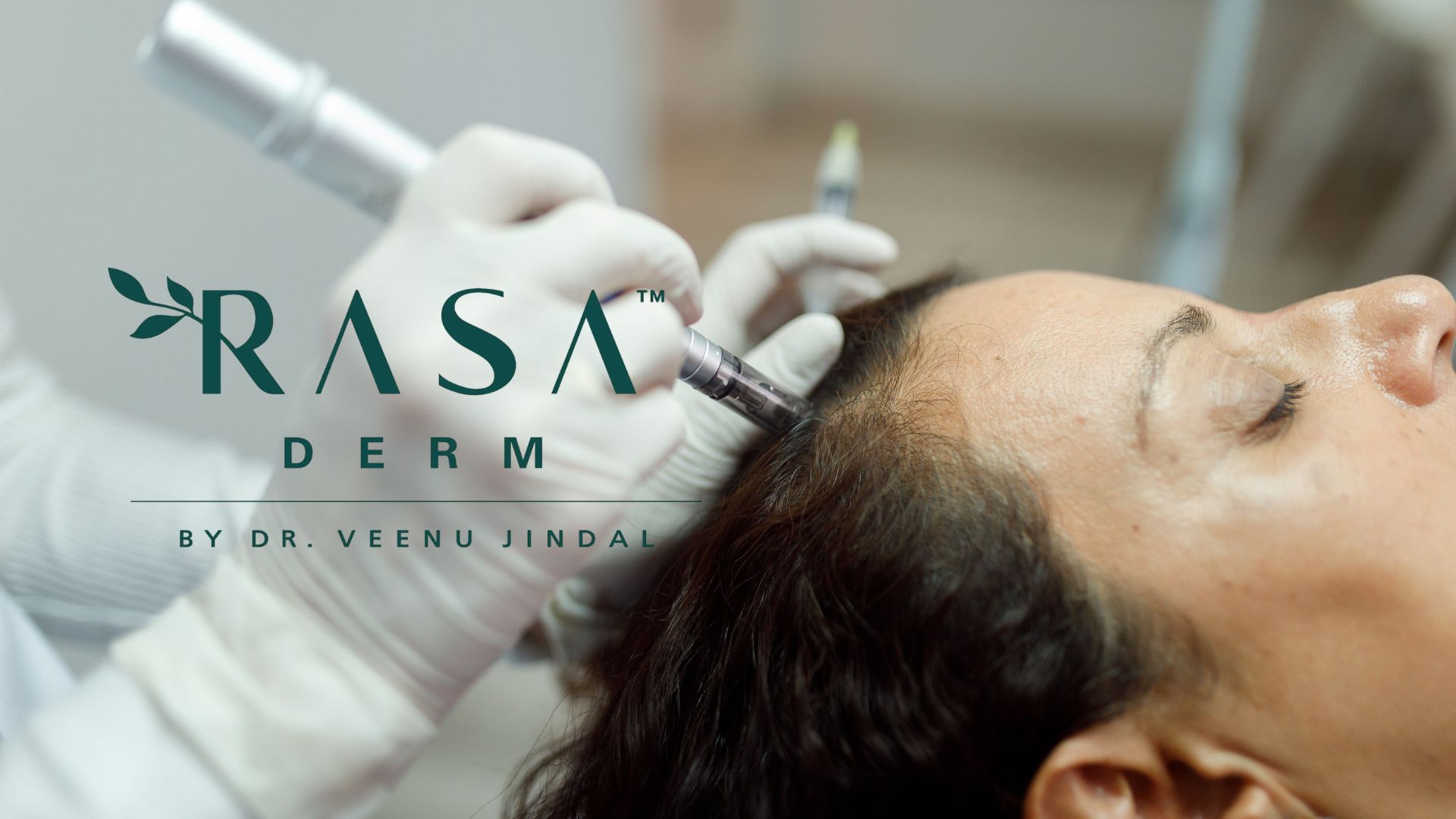
Once applied to the skin or scalp — typically via microneedling, mesotherapy injections, or topical application immediately after a procedure — exosomes are absorbed by target cells. What happens next is a cascade of regenerative activity:
- Fibroblast activation: Fibroblasts are the cells responsible for producing collagen and elastin. Exosomes signal them to upregulate production, which translates to firmer, denser skin over time.
- Stem cell recruitment: Exosomes carry signals that attract the body’s own stem cells to the treated area, supporting tissue repair from within.
- Inflammation regulation: Unlike many injectable treatments, exosomes have a pronounced anti-inflammatory effect. They calm the tissue even as they stimulate it, which is why recovery tends to be so smooth.
- Hair follicle stimulation: In the scalp, exosomes activate follicles in their resting phase, promoting transition back into the active growth cycle — similar to what GFC does, but through a different mechanism.
- Melanocyte support: Some studies suggest exosome therapy may support pigmentation cells, which has implications for skin tone evenness and early greying.
The effects build gradually over 4 to 12 weeks as the cellular response unfolds. Most patients notice skin quality improvements before they see structural changes — better texture, reduced dullness, more even tone — and then over subsequent months the deeper collagen and elastin remodelling becomes visible.
Human Growth Factors and Exosomes — What Is the Connection?
Growth factors are proteins that regulate cellular growth, repair, and differentiation. When people talk about human growth factors in skincare or treatment, they are referring to compounds like:
- EGF (Epidermal Growth Factor) — stimulates cell turnover and wound healing
- VEGF (Vascular Endothelial Growth Factor) — supports new blood vessel formation
- PDGF (Platelet-Derived Growth Factor) — triggers stem cell activation
- TGF-beta (Transforming Growth Factor Beta) — regulates collagen synthesis and scar modulation
- IGF-1 (Insulin-like Growth Factor 1) — promotes tissue repair and hair follicle activity
Exosomes are, in essence, carriers of these growth factors — along with microRNA and other signalling molecules that amplify and direct their effects. This is what separates exosome therapy from older growth factor serums or even PRP: you are not just delivering isolated growth factors, you are delivering the entire biological messaging package in a form that cells actually recognise and respond to.
A standard growth factor serum applied topically may not penetrate deeply enough to act on fibroblasts. Exosomes, especially when delivered via microneedling, bypass the surface barrier and communicate directly with the cells that matter.
What Are Plant-Based Exosomes?
One of the questions I get asked more often now is about plant-based exosomes — and whether they are as effective as the human-derived kind. It is a fair question, and the answer is nuanced.
Plants also produce exosome-like vesicles (sometimes called nanovesicles or plant-derived extracellular vesicles). These have been studied for their ability to carry bioactive compounds — antioxidants, growth-promoting peptides, anti-inflammatory molecules — and deliver them into human cells.
The most commonly used sources in aesthetic medicine include:
- Arnica: Anti-inflammatory properties, particularly useful post-procedure
- Centella Asiatica: Promotes collagen synthesis and wound healing
- Apple stem cell extracts: Studied for their effects on skin cell longevity and UV damage repair
- Grape and berry-derived vesicles: Rich in resveratrol and anthocyanins with antioxidant activity
- Turmeric (curcumin): Potent anti-inflammatory and anti-pigmentation properties
The appeal of plant-based exosomes is significant: they eliminate any ethical concerns around human or animal-derived products, they are more stable and easier to standardise at scale, and they carry zero risk of transmitting human pathogens. For patients who are vegetarian or have concerns about biologics, this matters.
The honest answer on efficacy: human-derived exosomes — particularly those from mesenchymal stem cells — carry a more potent and targeted regenerative signal because they speak the same biological language as human tissue. Plant-based exosomes work differently — more through their cargo of bioactives than through direct cellular communication — but for skin health, anti-ageing, and maintaining results between more intensive treatments, they are genuinely useful.
At RasaDerm, we will discuss which type makes sense for your specific goals.
What Is Dutexosome?
Dutexosome is a proprietary exosome technology — a highly purified, standardised preparation of exosomes derived from human Wharton’s Jelly mesenchymal stem cells (WJ-MSCs). Wharton’s Jelly is the gelatinous tissue found in the umbilical cord, and the stem cells derived from it are particularly rich in regenerative growth factors.
What makes Dutexosome notable is the standardisation. One of the ongoing challenges with any biological preparation — including PRP — is consistency. The concentration and activity of growth factors can vary significantly depending on the donor, the processing method, and the batch. Dutexosome addresses this by using a controlled manufacturing process that delivers a predictable, consistent dose of exosomes with documented growth factor content.
In clinical use, Dutexosome has been studied primarily for:
- Skin rejuvenation and anti-ageing — fine lines, skin laxity, dullness
- Hair restoration — follicle activation and reduced shedding
- Post-procedure healing acceleration after lasers, peels, or microneedling
- Scar reduction and skin texture improvement
Because it is standardised, patients and practitioners can have more predictable conversations about what to expect. Results still vary patient to patient, but you are working with a consistent starting point — which, from a clinical standpoint, is genuinely valuable.
Exosome Treatment Benefits: What Can It Actually Do?
Let me be specific, because ‘regenerative’ can start to sound like marketing if it is not grounded in something concrete.
For skin:
- Increased collagen and elastin density — structural improvement over time, not just surface hydration
- Reduced fine lines and early wrinkles through dermal remodelling
- Improved skin tone and luminosity — patients often comment on this first
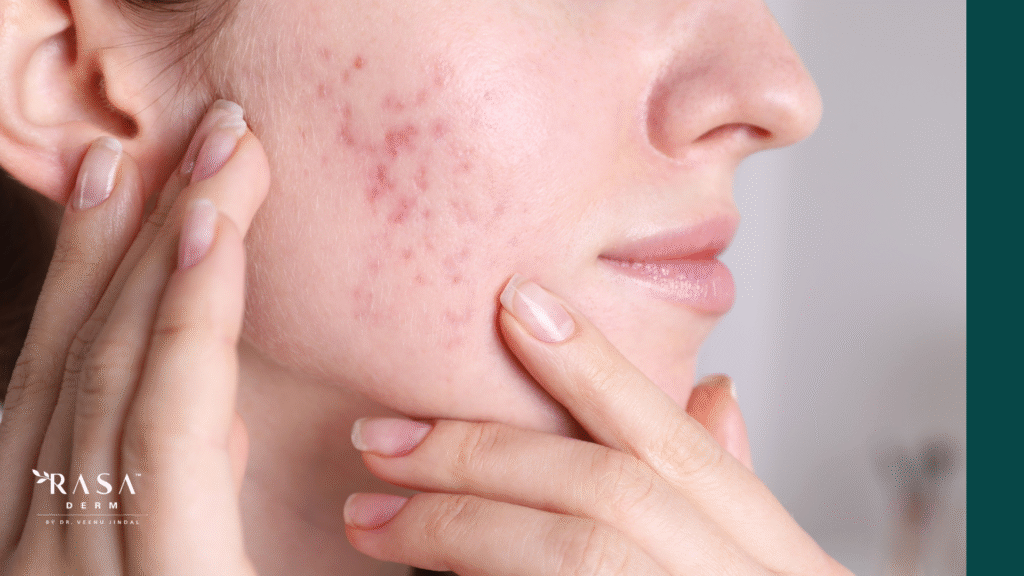
- Reduced post-inflammatory hyperpigmentation — particularly relevant in Indian skin tones where PIH is a significant concern
- Accelerated healing after laser treatments, chemical peels, or microneedling
- Reduced pore appearance and improvement in overall skin texture
For hair:
- Stimulation of dormant follicles, particularly in early to moderate hair thinning
- Reduced shedding within 4 to 6 weeks of starting treatment
- Improved hair shaft quality and density over 2 to 3 months
- Complementary to GFC — some patients do both as part of a comprehensive hair restoration plan
What exosome therapy does not do: it does not replace fillers if you need volume, it does not provide structural lift equivalent to threads or surgery, and it does not work for end-stage hair loss where follicles are no longer viable. It works best as a regenerative foundation — either alongside other treatments or as maintenance between them.
Exosomes vs GFC vs PRP vs Stem Cell Therapy
A comparison is the clearest way to address this, because the treatments often get conflated:
| Exosomes | GFC / PRP | Stem Cell Therapy | |
| Source | Lab-derived (plant or human) | Your own blood | Your own cells |
| Growth Factors | Very high concentration | High (GFC) / Moderate (PRP) | Moderate |
| Personalised? | No (universal donor) | Yes | Yes |
| Downtime | Minimal | Minimal | Moderate |
| Sessions needed | 1 to 3 | 3 to 4 | Variable |
| Best for | Skin plus hair rejuvenation | Hair regrowth primarily | Advanced regeneration |
The short version: GFC and PRP use your own blood, which has advantages for compatibility but means the outcome depends partly on your own platelet count and health. Exosomes — particularly standardised ones like Dutexosome — offer consistency and a broader range of applications across both skin and hair. Stem cell therapy is a longer and more involved conversation for a different post.
Who Is a Good Candidate for Exosome Therapy?
Exosome treatment tends to work particularly well for:
- Patients in their late 20s to 50s noticing early skin ageing — loss of glow, fine lines, texture changes
- Anyone with post-acne marks or PIH looking to accelerate skin renewal
- Hair thinning that is early to moderate, especially diffuse thinning in women
- Patients who have had a laser or resurfacing procedure and want to accelerate healing and maximise results
- Those who prefer a non-synthetic, biologically derived treatment
- Patients who are not suitable for PRP or GFC due to blood-draw aversion or certain health conditions
It is less ideal for: advanced hair loss with significant follicle death, skin concerns that need structural volume correction, or anyone with active scalp infections or certain autoimmune conditions.
As always, I will give you an honest opinion in consultation before we discuss any treatment plan. If exosomes are not the right fit for what you are trying to achieve, I will tell you.
What to Expect at RasaDerm
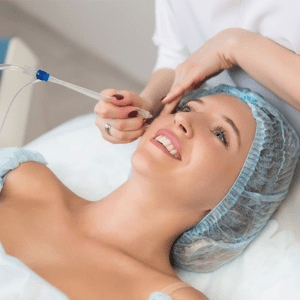
A typical exosome treatment session at RasaDerm takes 45 to 60 minutes. We combine it with microneedling or a targeted mesotherapy protocol depending on whether we are treating skin, scalp, or both. The procedure is well-tolerated — mild redness or sensitivity for 24 to 48 hours is normal, after which most patients describe a noticeable improvement in skin quality over the following 2 to 4 weeks.
For hair, we usually plan 2 to 3 sessions spaced 4 weeks apart as an initial course, followed by maintenance every 3 to 6 months depending on response.
We stock both human-derived and plant-based exosome preparations at both our clinics, and we will discuss which is better suited to your goals and any personal preferences you have.
Frequently Asked Questions
1. What is exosome treatment?
Exosome treatment uses microscopic vesicles — natural cellular messengers — to deliver concentrated growth factors and regenerative signals directly into the skin or scalp. It stimulates collagen production, follicle activation, and cellular repair without synthetic ingredients or foreign substances.
2. What are plant-based exosomes?
Plant-based exosomes are nano-sized vesicles derived from plant sources like Centella Asiatica, turmeric, or grape. They carry bioactive antioxidants and anti-inflammatory compounds and offer a natural, vegan-friendly alternative to human-derived preparations for skin health and regeneration.
3. What is Dutexosome?
Dutexosome is a standardised, clinically manufactured exosome product derived from Wharton’s Jelly mesenchymal stem cells. It delivers a consistent, documented concentration of growth factors and is used for skin rejuvenation, hair restoration, and post-procedure recovery acceleration.
4. Are human growth factors safe for the skin?
Yes. Growth factors used in aesthetic treatments are either derived from your own blood, lab-cultivated from human stem cell lines, or produced via biotechnology. They do not alter your genetics — they signal your own cells to behave regeneratively. The safety profile of exosome therapy is well-established in clinical literature.
5. How many exosome sessions are needed?
For skin, 1 to 3 sessions typically produce visible improvement depending on the concern being treated. For hair restoration, 2 to 3 sessions over 8 to 12 weeks is a standard initial course, followed by maintenance sessions every 3 to 6 months.
6. Can exosome therapy be combined with other treatments?
Yes — and combining exosome therapy with micro needling, laser treatments, or GFC is one of the most effective ways to use it. Exosomes applied immediately after a resurfacing procedure can significantly accelerate healing and amplify the results of the primary treatment.
A Final Note
Exosome therapy sits at a genuinely exciting intersection of cellular biology and aesthetic medicine. It is not a shortcut — it works by supporting your body’s own regenerative processes, which means results build over weeks and require some patience. But when I see the quality improvement in skin and hair that patients achieve, particularly with something as clean and biologically sound as exosomes, it is hard not to find that compelling.
If you would like to understand whether exosome treatment is right for you — for skin, hair, or both — we are available at RasaDerm’s Ashok Vihar and Safdarjung Enclave clinics in Delhi. Book a consultation and we will start with an honest assessment of what your skin or hair actually needs.