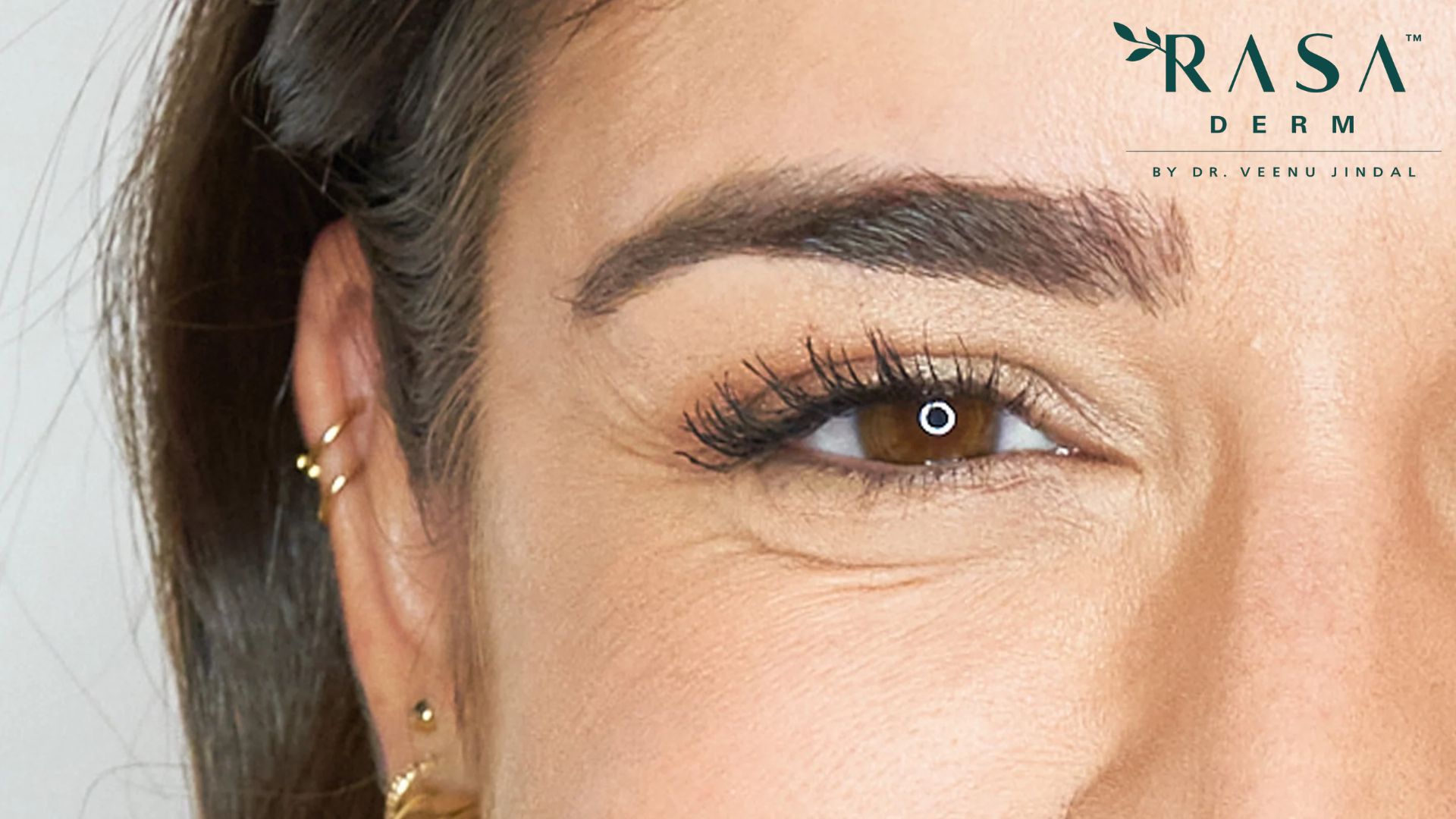
Under-eye wrinkles are one of those things that people search for in a very particular mood — quietly, usually late at night, usually after a photograph catches them off guard. The under-eye area is thin, expressive, and constantly moving, which means it ages differently from the rest of the face. And it responds to treatment differently too.
The good news is that some home remedies genuinely do something. The less good news is that most of what circulates on the internet — cucumber slices, coconut oil, green tea bags — works primarily because it feels like something is happening. I would rather give you an honest framework for what actually moves the needle, what has limits, and at what point a clinical conversation becomes the more efficient option.
Let me take you through this the way I would if you were sitting across from me at the clinic.
First of all, Why Does the Under-Eye Area Wrinkle Faster?
The skin under the eye is approximately 0.5mm thick — three to four times thinner than the skin on your cheeks or forehead. It has very few sebaceous glands, which means it produces almost no natural oil. It is stretched, compressed, and pulled by eye movement (squinting, blinking, smiling) thousands of times a day. And it is one of the first areas to show the effects of sun damage, poor sleep, and collagen loss.
The wrinkles that form here fall into a few distinct categories — and understanding which kind you are dealing with changes what will actually help:
- Dynamic wrinkles: caused by repeated muscle movement — the classic crow’s feet that appear when you smile and stay when you do not. These respond very well to Botox.
- Static wrinkles: lines that are etched in at rest, regardless of expression. These reflect structural loss — collagen thinning, volume depletion, skin laxity. Topicals can slow the progression; treatments like Morpheus8 and fillers address the structure.
- Crepey texture: a wrinkled, paper-like quality caused by dermal thinning and loss of elasticity. This is where radiofrequency treatments like Morpheus8 are particularly effective.
Most people have a combination of all three, which is why the under-eye area often needs a layered approach.
Home Remedies That Are Actually Worth Your Time
I want to be specific here rather than give you a vague list of ‘try these ingredients.’ Some of these genuinely have clinical backing at the right concentrations and formulations. Others have a much smaller effect than their popularity suggests.
1. Daily SPF — The Non-Negotiable Foundation
I put this first because it is not glamorous but it is the single most evidence-backed thing you can do for under-eye ageing. UV radiation degrades collagen and elastin, activates matrix metalloproteinases (enzymes that break down the skin’s support structure), and deepens existing wrinkles faster than almost anything else. Most people apply SPF to their face and skip the under-eye area because it stings or their eye cream does not have sun protection built in.
Use a mineral SPF (zinc oxide or titanium dioxide) around the eye area if chemical SPF irritates. A broad-spectrum SPF 30 or higher, applied daily, prevents the photoageing that makes existing wrinkles worse.
2. Retinol — The Closest Thing to a Home Remedy That Builds Collagen
Retinol (vitamin A) increases cell turnover and, at the right concentration and with consistent use, genuinely thickens the dermis over time. For the under-eye area, the concentrations I recommend are low: 0.025% to 0.05% to start. The skin here is too thin and too prone to irritation for the higher concentrations used on the rest of the face.
Apply a pea-sized amount of a dedicated eye retinol (or a tiny amount of your face retinol carefully around — not directly on — the orbital bone) twice a week, building to nightly over 6 to 8 weeks. Results take 3 to 6 months of consistent use. This is probably the highest-impact home remedy that actually addresses structural change rather than just surface appearance.
3. Vitamin C Serum (Properly Formulated)
L-ascorbic acid — the active, stable form of Vitamin C — stimulates collagen synthesis, protects against free radical damage, and can improve uneven skin tone including the blue-purple discolouration that often co-exists with under-eye wrinkles. The formulation matters: Vitamin C oxidises quickly, so look for products in opaque or airless packaging, at 10% to 20% concentration, at a pH below 3.5.
Many Vitamin C eye creams use gentler but less potent derivatives (ascorbyl glucoside, sodium ascorbyl phosphate). These are less likely to irritate but also deliver a fraction of the collagen-stimulating effect. If you tolerate L-ascorbic acid well, it is the better choice.
4. Peptide Eye Creams
Peptides are short amino acid chains that mimic signalling proteins in the skin. Matrixyl (palmitoyl pentapeptide-4) has reasonable clinical data for stimulating collagen production. Argireline (acetyl hexapeptide-3) is sometimes called ‘topical Botox’ — an overstatement, but it does modestly reduce the appearance of expression lines with regular use by relaxing superficial muscle activity.
The effect of peptide creams is real but modest. Think of them as maintenance and prevention rather than correction. Consistent use over months does compound, though, and they layer well with retinol and Vitamin C.
5. Caffeine-Based Eye Products
Caffeine is a vasoconstrictor and mild decongestant. It temporarily reduces puffiness by constricting dilated capillaries and reducing fluid accumulation. This makes the under-eye area look more rested and can reduce the shadowing that makes wrinkles appear deeper. The effect is temporary — a few hours — but it is real, and for morning use it is a useful tool.
6. Hyaluronic Acid Eye Serum
Hyaluronic acid (HA) draws moisture to the skin and plumps the surface, which can temporarily reduce the appearance of fine lines. This is largely a hydration effect rather than a structural one. HA serums under the eye are useful for maintaining the skin’s moisture barrier (which degrades with age and with retinol use) but they are not building collagen or addressing laxity. Layer them under your eye cream, not instead of other actives.
7. Cold Compress
Yes, this actually does something — just not what most people think. Applying a cold spoon, gel eye mask, or cold damp cloth to the under-eye area temporarily constricts blood vessels and reduces fluid retention. This makes puffiness less pronounced and shadows lighter, which in turn makes wrinkles appear less deep. It is a de-puffing tool, not a collagen tool. Useful in the morning, especially after poor sleep or a salty evening.
The Honest Table: What Each Home Remedy Actually Does
Here is a straightforward reference for what you can realistically expect from each approach:
| Home Remedy | What It Actually Does |
| Cold compress / chilled spoon | Reduces puffiness temporarily by constricting capillaries. No collagen effect. |
| Vitamin C serum (L-ascorbic acid) | Stimulates collagen synthesis. Takes 8-12 weeks. Needs stable pH formulation to work. |
| Retinol (0.025%-0.05% for eye area) | Increases cell turnover, thickens dermis over time. Start slow — the eye area is thin. |
| Caffeine eye creams | Mild decongestant. Reduces puffiness, minimal effect on wrinkles themselves. |
| SPF (daily, non-negotiable) | Prevents photoageing — the single biggest cause of under-eye wrinkle deepening. |
| Hyaluronic acid eye serum | Plumps the surface, temporarily fills fine lines. No long-term structural change. |
| Peptide creams (Matrixyl, Argireline) | Mimic signalling proteins that stimulate collagen. Modest, cumulative benefit with consistent use. |
What Home Remedies Cannot Do — And What That Means
The under-eye area has specific structural realities that topicals simply cannot address:
- They cannot relax the orbicularis oculi muscle (the muscle responsible for crow’s feet and dynamic lines)
- They cannot restore volume lost to fat pad atrophy beneath the eye
- They cannot tighten lax skin or improve crepey texture at the dermal level
- They cannot stimulate the degree of collagen remodelling that fractional radiofrequency achieves
This is not an argument against home remedies — the right actives genuinely slow progression and maintain results between treatments. But it is an argument for being realistic about what category of concern you are dealing with.
When Botox Becomes the More Efficient Answer
Botox for under-eye wrinkles is one of those treatments that patients sometimes avoid because they associate it with frozen expressions or unnatural results. When it is placed well, neither is true.
The primary application of Botox around the eye is for crow’s feet — the dynamic lines that radiate outward from the outer corner of the eye with expression. A small amount of botulinum toxin placed into the orbicularis oculi muscle relaxes the repeated contraction that deepens these lines. Results typically last 3 to 4 months for most patients, and over time the lines become less etched even at rest because the muscle has had sustained periods of reduced movement.
For the under-eye area specifically (not just crow’s feet), Botox can be placed in very small amounts to reduce the ‘bunny lines’ that form just below the eye when smiling, and to subtly open the eye area. This requires a precise hand — too much product too close to the eye affects how you blink and how the lower lid sits. In the right dose, in the right place, it is genuinely effective and looks entirely natural.
My honest position: if you are seeing deep crow’s feet or dynamic lines that are now sitting at rest, retinol and eye cream have limited capacity to reverse what is already there. Botox is a 20-minute appointment with visible results within 5 to 7 days. It is not replacing home care — it is doing a different job.
Morpheus 8 for Under-Eye Wrinkles — The Treatment That Works at the Structural Level
Morpheus8 is one of the treatments I find myself recommending most often for patients with under-eye laxity, crepey skin, or deeper static wrinkles — and the reason comes down to what it actually does inside the skin.
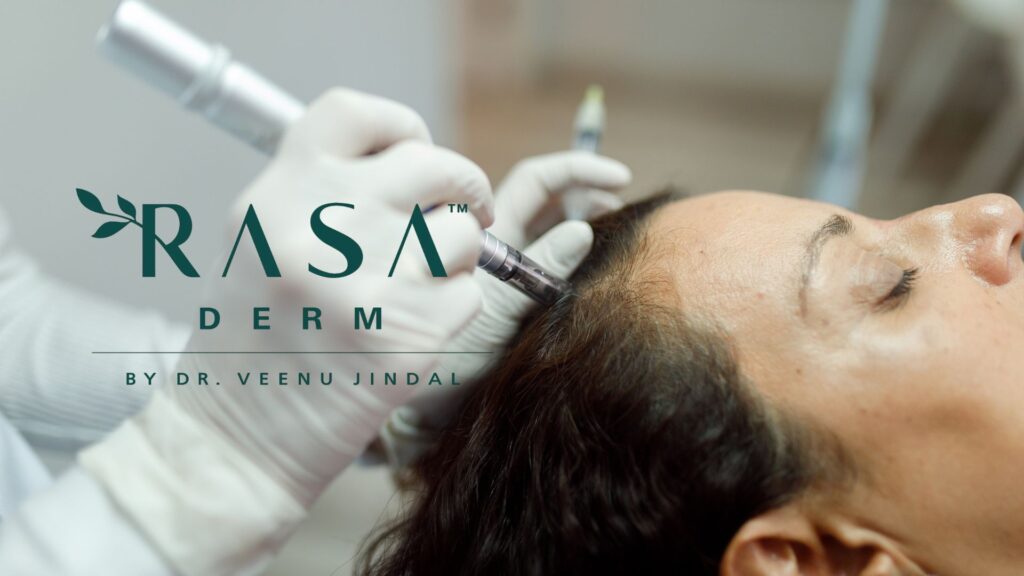
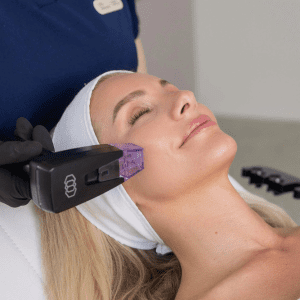
Morpheus8 is a fractional radiofrequency microneedling device. The microneedles penetrate to precise depths in the dermis, and the radiofrequency energy delivered at those depths heats the tissue in a controlled way. This heat contracts existing collagen fibres immediately (which is why patients often see some tightening within days) and then triggers a sustained wound-healing response — new collagen and elastin production that continues for 3 to 6 months after the treatment.
Why the under-eye area responds particularly well to Morpheus8:
- The dermal thinning that causes crepey texture is addressed directly — new collagen density genuinely thickens the skin over time
- The radiofrequency energy can be delivered at multiple depths, allowing precise treatment of different tissue layers without affecting the surface the way ablative lasers do
- Downtime is minimal compared to resurfacing alternatives — typically 3 to 5 days of redness and mild swelling
- Results are gradual and natural-looking, peaking around 3 months post-treatment
For under-eye wrinkles specifically, Morpheus8 is not the same as filler — it does not replace volume. And it is not Botox — it does not relax muscles. What it does is rebuild the structural tissue that has thinned, which is something no cream and no injectable can replicate.
Most patients benefit from 2 to 3 sessions spaced 4 to 6 weeks apart for the initial course. Maintenance once a year is typically enough to sustain results.
At RasaDerm, we use Morpheus8 regularly as part of combined eye area rejuvenation protocols — sometimes paired with a small amount of Botox for dynamic lines, sometimes with hyaluronic acid filler if there is significant hollowness contributing to the shadowing. The specific combination depends entirely on what the individual patient’s anatomy actually needs.
Choosing the Right Approach: A Simple Framework
Here is how I think about it when a patient comes in with under-eye wrinkles:
| What You Are Seeing | What It Likely Needs |
| Fine surface lines, crepe texture | Topical retinol, Botox, or light laser resurfacing |
| Deep set lines, etched creases | Botox, Morpheus8, or filler for structural correction |
| Loose or crepey skin with laxity | Morpheus8 (radiofrequency tightening at the source) |
| Hollowness making lines worse | Hyaluronic acid filler or Profhilo to restore volume |
| Puffiness plus wrinkles | Lymphatic drainage + decongestant actives + diet review |
| Dark circles with fine lines | Combined approach: actives for pigment, treatment for structure |
Very often the answer is a combination of two of these — which is not an upsell, it is just the honest reality of how multi-factorial under-eye ageing is. And sometimes the answer genuinely is just better topicals and more consistent SPF. I will tell you honestly which applies to you.
A Few Things Worth Stopping
While we are here — a few things that circulate as under-eye remedies and are either ineffective or actively counterproductive:
- Coconut oil: occlusive, comedogenic, and not clinically demonstrated to reduce wrinkles. It sits on top of the skin. Some people experience milia (small white cysts) under the eye from regular use.
- Haemorrhoid cream: contains ingredients that temporarily constrict blood vessels and reduce swelling, which is why it became a makeup artist trick for puffy eyes. It is not formulated for the periorbital area and regular use is not recommended.
- DIY vitamin C from lemon juice: unstable, wrong pH, and genuinely irritating on thin eye-area skin. Store-bought formulations exist for a reason.
- Jade roller under the eye: may feel nice and temporarily reduce puffiness through massage and the cool surface. There is no evidence it stimulates collagen or reduces wrinkles beyond this short-term effect.
Frequently Asked Questions
1. What are the best home remedies for under-eye wrinkles?
The most evidence-backed home remedies for under-eye wrinkles are daily SPF, a low-concentration retinol (0.025% to 0.05%), a stable Vitamin C serum, and peptide eye creams used consistently over months. Caffeine products help with puffiness and can make wrinkles appear less deep. Cold compresses reduce morning swelling temporarily.
2. Can Botox help with under-eye wrinkles?
Yes. Botox is particularly effective for dynamic under-eye wrinkles — lines caused by muscle movement, like crow’s feet. Small, precise placement of botulinum toxin relaxes the muscle, softening both active expression lines and lines that have become etched at rest over time. It is not effective for static laxity or crepey skin, which need different treatments.
3. What is Morpheus8 and does it work for under-eye wrinkles?
Morpheus8 is a fractional radiofrequency microneedling device that delivers controlled heat energy deep into the dermis, stimulating collagen and elastin remodelling. For under-eye wrinkles and crepey skin, it works at the structural level — rebuilding dermal thickness and firmness over 3 to 6 months. It is one of the most effective clinical options for laxity and textural changes in the under-eye area.
4. How long does it take to see results from eye creams?
Realistic timeline: 8 to 12 weeks of consistent use for a first sign of improvement with active ingredients like retinol and Vitamin C. Full benefit from a consistent retinol routine typically shows at the 4 to 6 month mark. Surface hydration from HA and moisturising ingredients is visible within days but is not a structural change.
5. Can under-eye wrinkles be reversed at home?
Fine surface lines and early crepiness can show genuine improvement with consistent topical actives over time — particularly retinol. Deeper static wrinkles, laxity, and volume loss require clinical treatment to address the underlying structural changes. Home care is best understood as prevention and maintenance, not reversal of established structural ageing.
6. Is Morpheus 8 painful around the eyes?
The under-eye area is treated with topical anaesthetic applied before the procedure, which significantly reduces discomfort. Most patients describe the sensation during treatment as mild pressure or warmth. There is typically 3 to 5 days of redness and swelling afterward, which resolves on its own.
A Final Note
I see a lot of patients who have spent years and a significant amount of money on eye creams waiting for a result that was not coming — not because the products were bad, but because they were not designed to solve a structural problem.
The right home regimen genuinely matters and I will always encourage it. But if you have been consistent and not seeing the change you were hoping for, that is not a failure — it is information about what your skin actually needs next.
If you would like a proper assessment of your under-eye concerns and an honest recommendation for where to focus your effort — at home, clinically, or both — we are available at RasaDerm’s Ashok Vihar and Safdarjung Enclave clinics in Delhi.