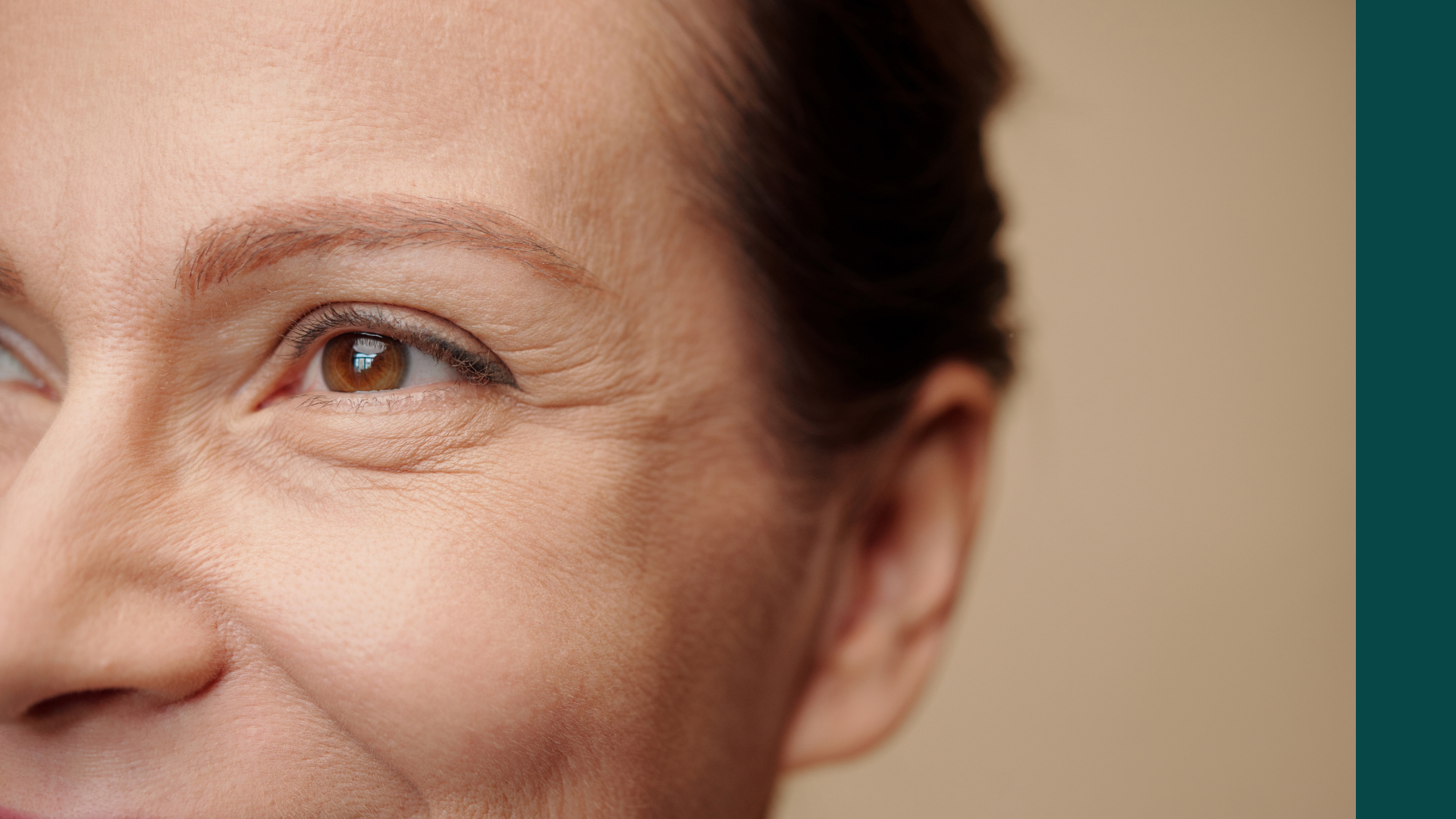
Of all the concerns patients bring into my clinic, wrinkles under eyes are among the ones that bother people the most — and the ones I get asked about with the most urgency.
It makes sense. The skin under your eyes is the first place most of us look when we check the mirror, and it’s often the first area to show visible ageing, sometimes years before the rest of the face catches up.
I want to walk you through why this happens, what actually works to treat it, and what a realistic, honest approach to reducing under eye wrinkles looks like — because there’s a lot of misinformation out there, and I’d rather you understand your skin than just buy into whatever’s trending.
Why the Under-Eye Area Wrinkles First
The skin under your eyes is genuinely different from skin anywhere else on your face. It’s roughly a third of the thickness of the skin on your cheeks, has very little underlying fat and muscle support, and produces far less oil — which means it holds onto moisture poorly and shows movement and strain more readily.
This is exactly why fine lines under eyes tend to appear before lines anywhere else, even in people who otherwise take good care of their skin.
Under Eye Wrinkles: Causes
In consultation, I usually explain that under-eye wrinkles rarely come from just one factor — they’re almost always a combination of the following:
- Natural collagen and elastin loss — from your mid-to-late 20s onward, collagen production gradually slows, and the thin under-eye skin feels this earlier than thicker areas of the face
- Repeated facial movement — squinting, smiling, and expressive movement around the eyes creates dynamic lines that, over years, can settle into static ones
- Sun exposure — UV damage breaks down collagen and accelerates fine lines, and the delicate eye area is particularly vulnerable since it’s rarely protected as diligently as the rest of the face
- Dehydration and dryness — under-eye skin has very few oil glands, so it dries out and creases more easily than other areas
- Sleep position and habits — sleeping face-down or on one side consistently can contribute to crease patterns over time
- Lifestyle factors — smoking, poor sleep, high stress, and screen strain from constant squinting all show up disproportionately in this area
- Genetics — some people are simply predisposed to earlier or more pronounced under-eye ageing regardless of lifestyle
Understanding your specific combination of causes is actually the most important part of choosing the right under eye wrinkle treatment — a purely dehydration-driven case responds very differently than one that’s primarily volume loss or sun damage.
Under Eye Wrinkles Treatment: What Actually Works
Patients often come in having tried a stack of eye creams with little to show for it, which is understandable — topical products alone have real limits for this area.
Here’s how I think about treatment options, from conservative to more advanced:
1. Medical-grade topical actives
Not all eye creams are equal. Formulations with retinoids, peptides, and antioxidants, used consistently and correctly, genuinely help with fine lines under eyes over time — but they take months of regular use, not days, and results are modest compared to in-clinic options.
2. Sunscreen, non-negotiably
This is the single most under-rated step. Daily broad-spectrum sun protection around the eye area (using an eye-safe formulation) does more for preventing further wrinkling than almost anything else on this list.
3. LED and light-based therapies
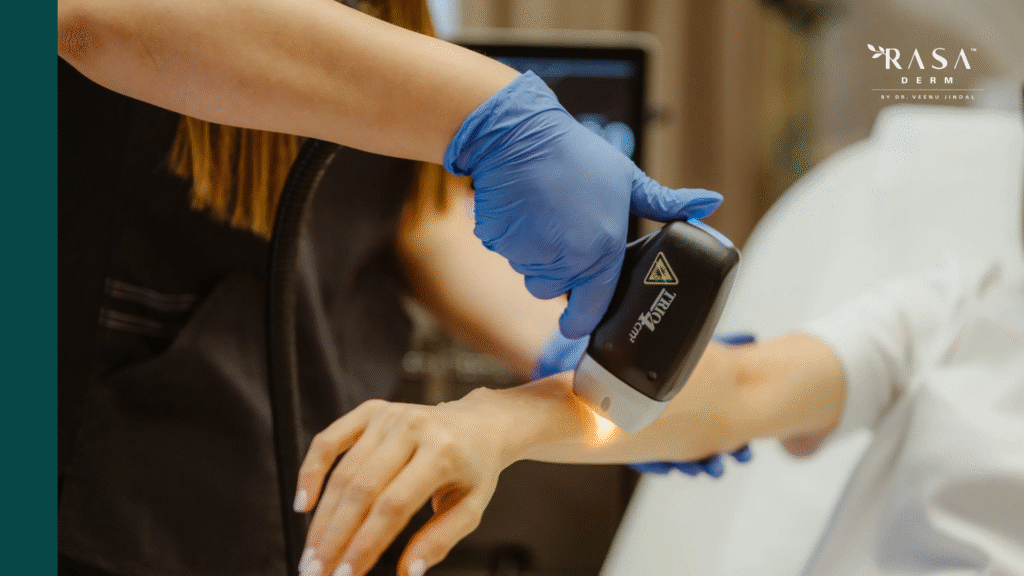
Treatments like LED light therapy support collagen stimulation with zero downtime, and work well as a maintenance layer alongside other treatments rather than a standalone fix for established lines.
4. Micro-needling and skin-boosting injectables
For finer, more established lines, treatments that stimulate the skin’s own collagen production — done carefully in this delicate area — can visibly improve texture and crepiness over a course of sessions.
5. Neuromodulator treatment
For lines caused primarily by repeated muscle movement (crow’s feet extending toward the lower lid), a small, carefully dosed neuromodulator treatment around the eye area softens dynamic lines without affecting natural expression when done conservatively and correctly.
6. Volume restoration
Where wrinkling is linked to volume loss and hollowing under the eyes rather than surface lines alone, carefully placed, ultra-fine filler can smooth the transition and reduce the shadowing that makes lines look more pronounced.
I always tailor this to what’s actually driving your specific concern rather than defaulting to the most popular treatment.
The under-eye area is unforgiving of overcorrection, so conservative, staged treatment is something I take seriously here more than almost anywhere else on the face.
How to Reduce Under Eye Wrinkles: Daily Habits That Matter
Alongside any clinical treatment, a few daily habits make a genuine difference:
- Apply sunscreen around the eye area every single day, not just when you remember
- Use a proper eye cream consistently, rather than switching products every few weeks
- Avoid aggressive rubbing or tugging at the skin when removing makeup or applying products
- Prioritise sleep — this area shows fatigue and poor sleep faster than almost anywhere else
- Stay hydrated and be mindful of excess salt intake, which can worsen puffiness that emphasises lines
- Wear sunglasses to reduce squinting in bright light
None of these habits reverse existing wrinkles on their own, but they meaningfully slow further progression and make any clinical treatment you do pursue last longer.
When to See a Dermatologist
If you’ve been consistent with a good skincare routine for several months and aren’t seeing the improvement you’d hoped for, or if the lines are becoming more pronounced despite prevention, that’s the right time for a proper consultation rather than continuing to experiment on your own.
Under-eye skin is delicate enough that the wrong treatment, or the right treatment done incorrectly, can create more problems than it solves.
At your consultation, we’ll assess exactly what’s driving your under-eye wrinkles, and build a treatment plan around your skin, your concerns, and how much correction you’re actually looking for — because the goal is always skin that looks like a well-rested, better version of you, not skin that looks different.